

Wildlife
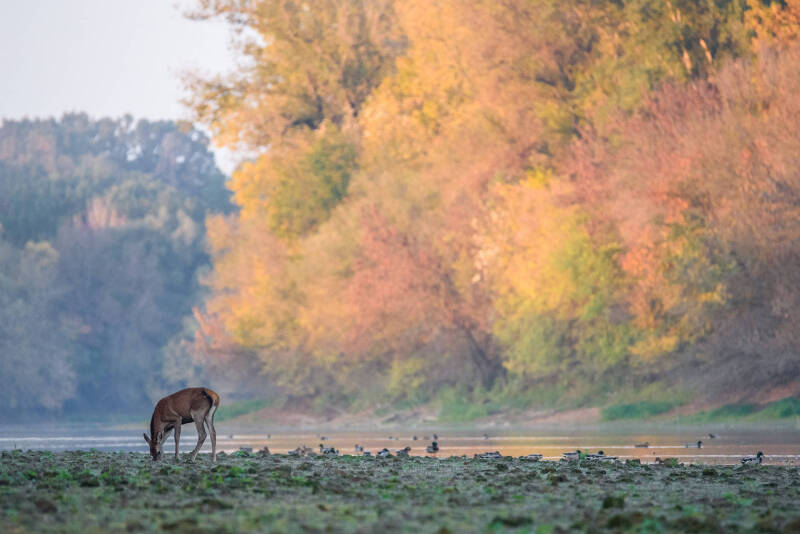
Wildlife photography is rarely comfortable or predictable. One path leads to long days spent in narrow hides, waiting from dawn until dusk — often in silence, cold and uncertainty. The other demands movement: blending into the landscape, stalking, observing, improvising, and reading the terrain in real time. Over the years, I learned that my strength lies in the latter. Rather than waiting endlessly, I prefer to search, anticipate and adapt — to notice wildlife first, to close the distance with awareness and restraint. Here, improvisation and instinct matter most.
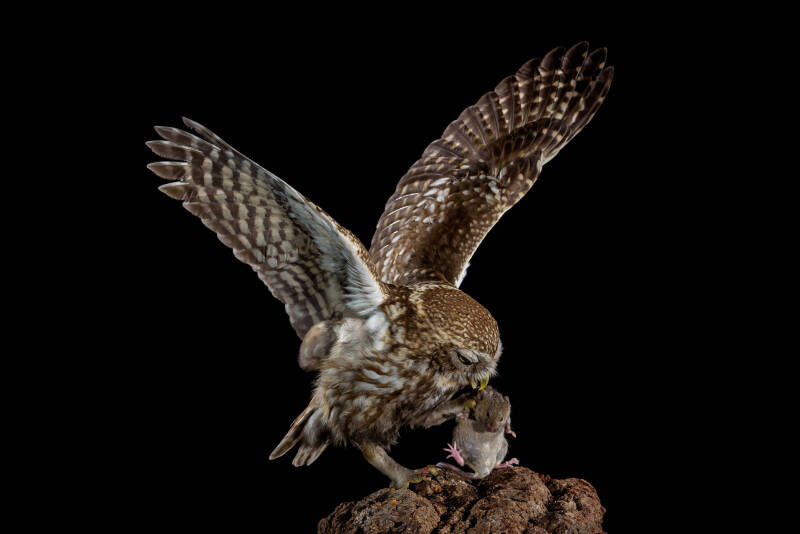
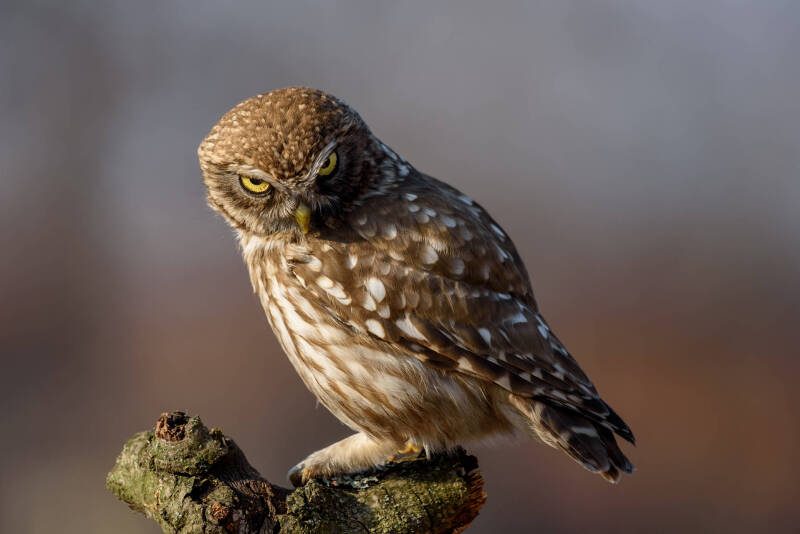
There are moments, however, when planning becomes essential. Carefully visualized nocturnal scenes — such as owl photography — require precise camera placement, controlled lighting and a deep understanding of animal behavior. In these cases, preparation replaces chance.
Every image in this gallery represents time, effort and commitment. Each scene demanded patience, knowledge and presence — and each encounter, regardless of outcome, offered a quiet sense of achievement and connection.




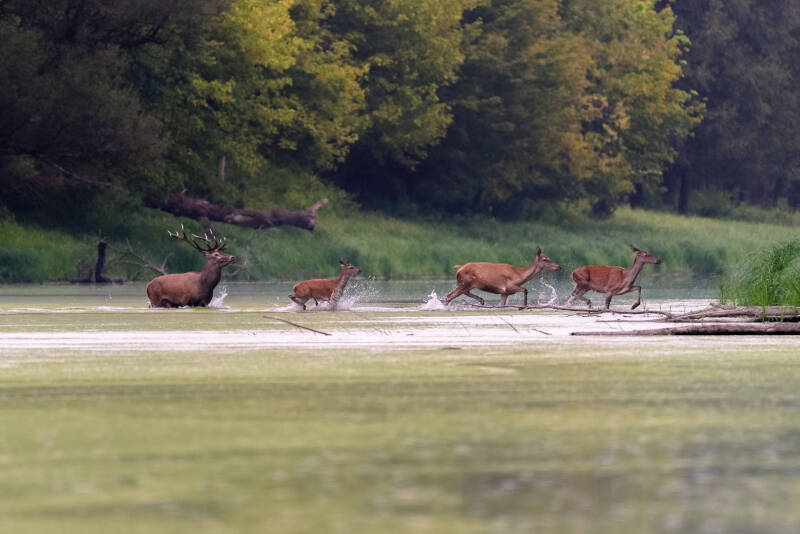
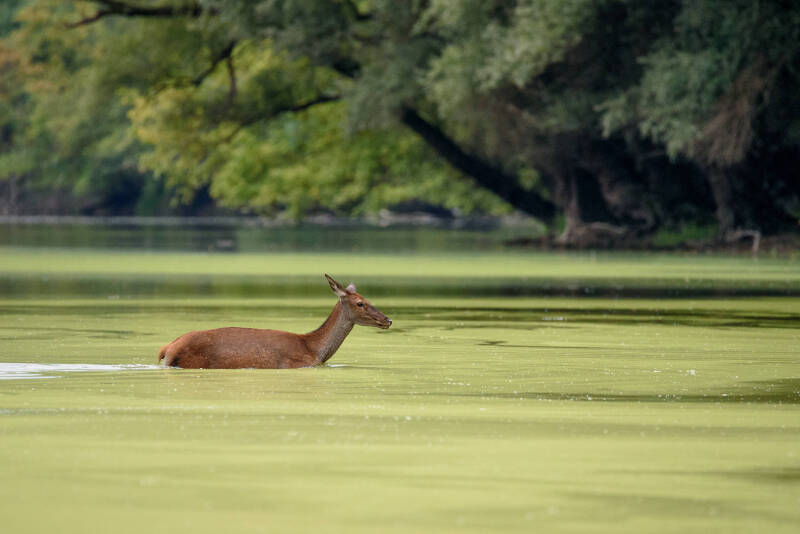


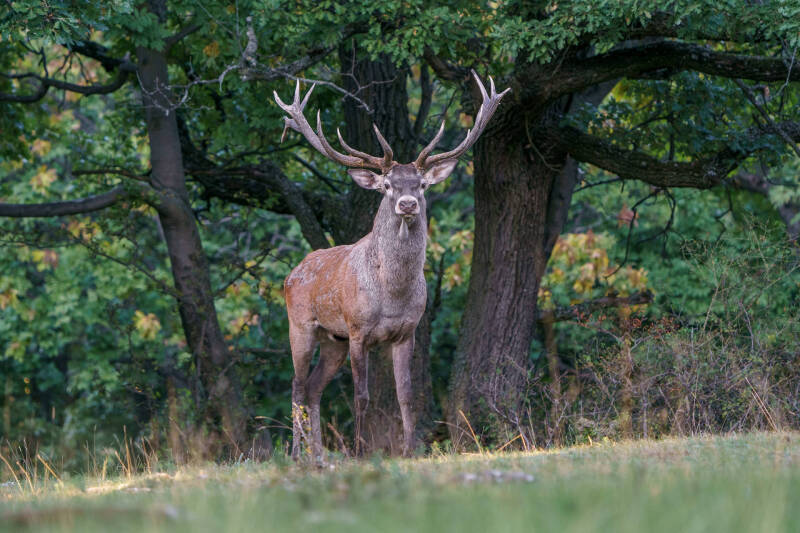
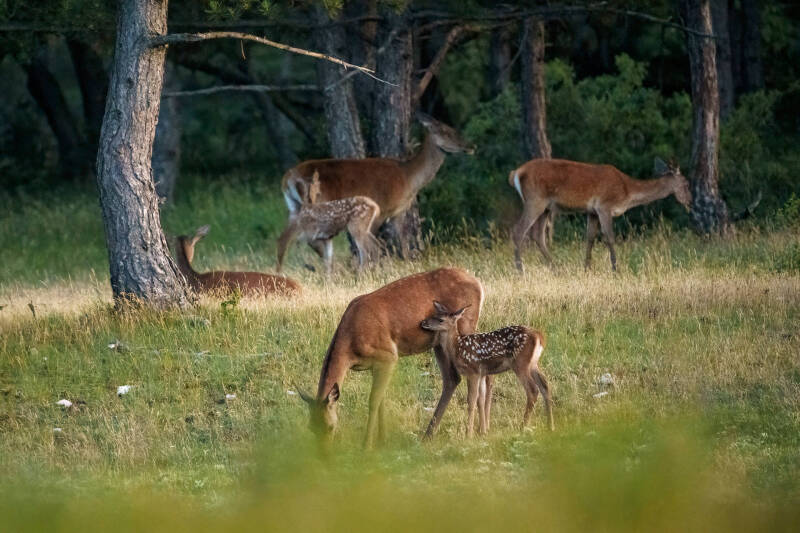







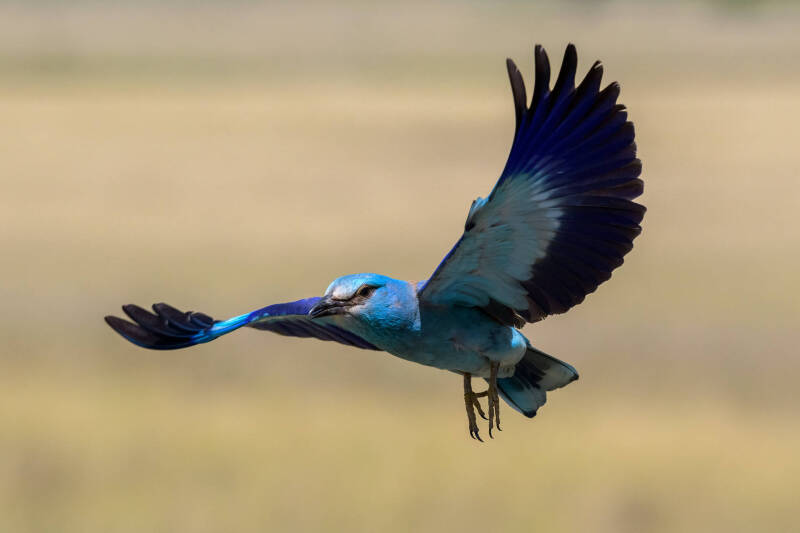


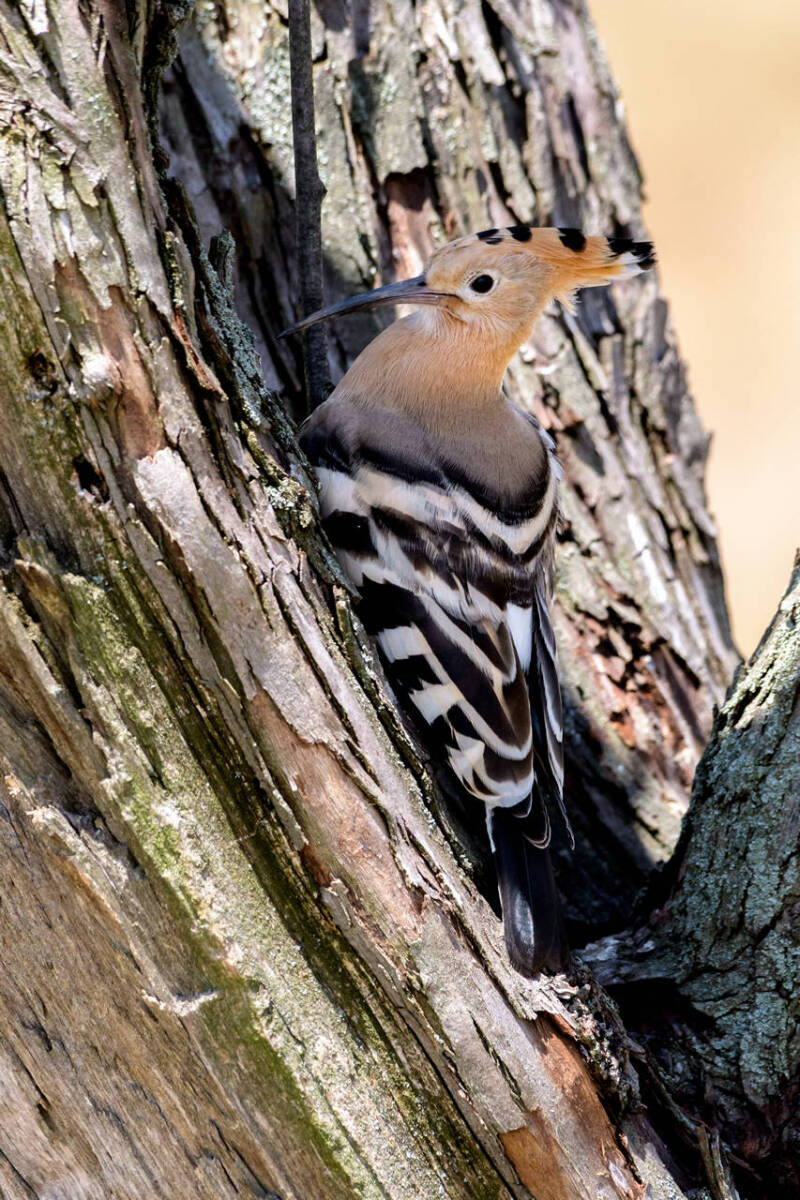

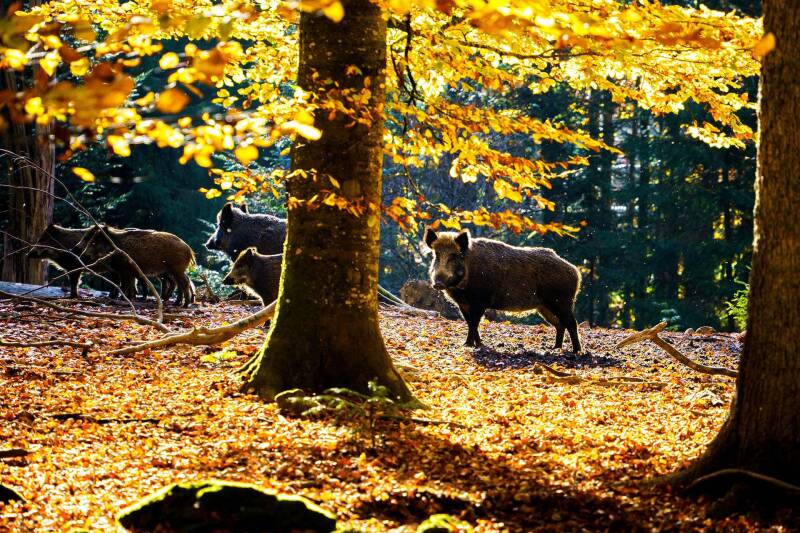
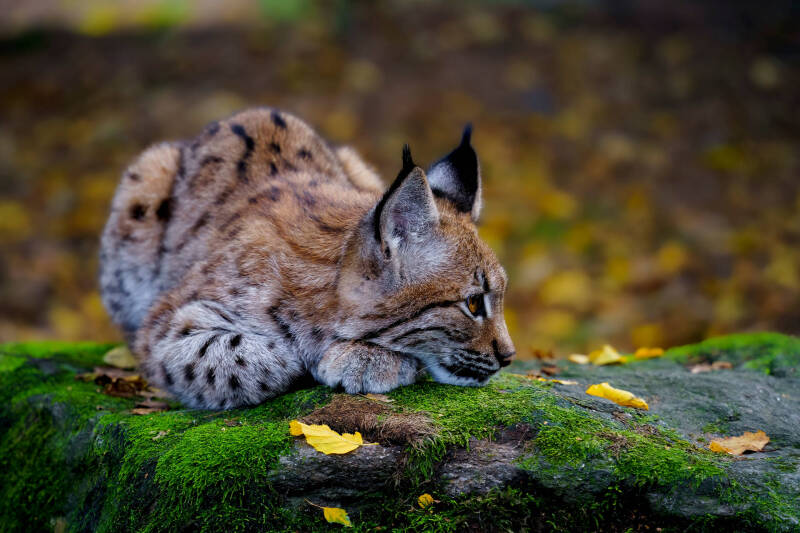

Keywords
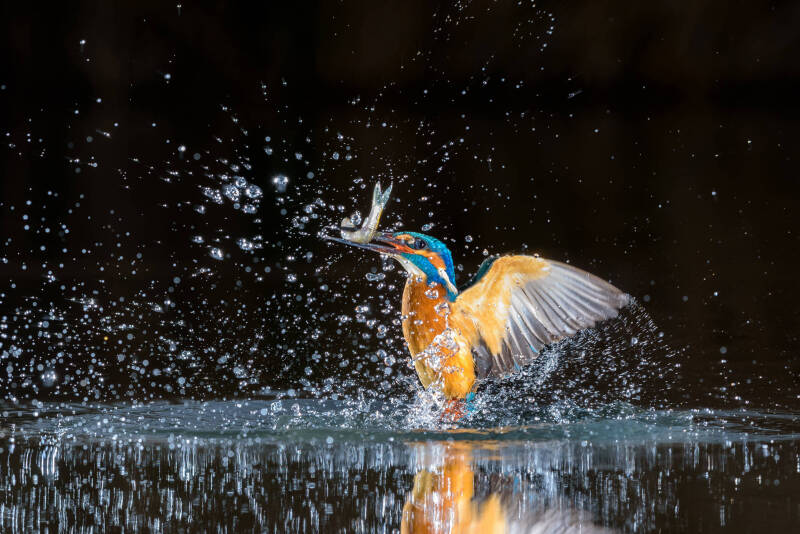
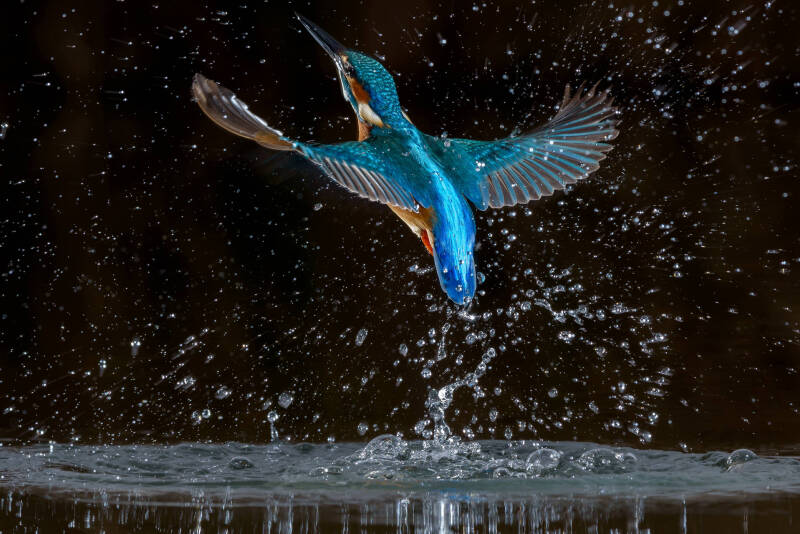
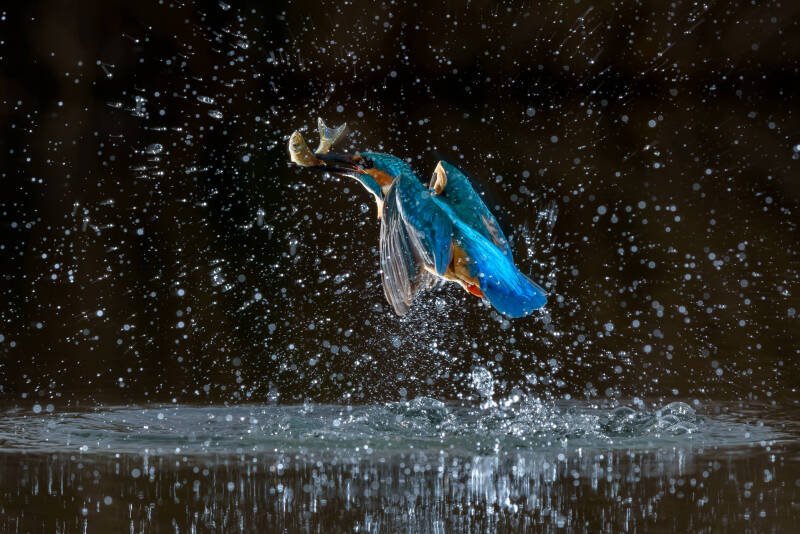
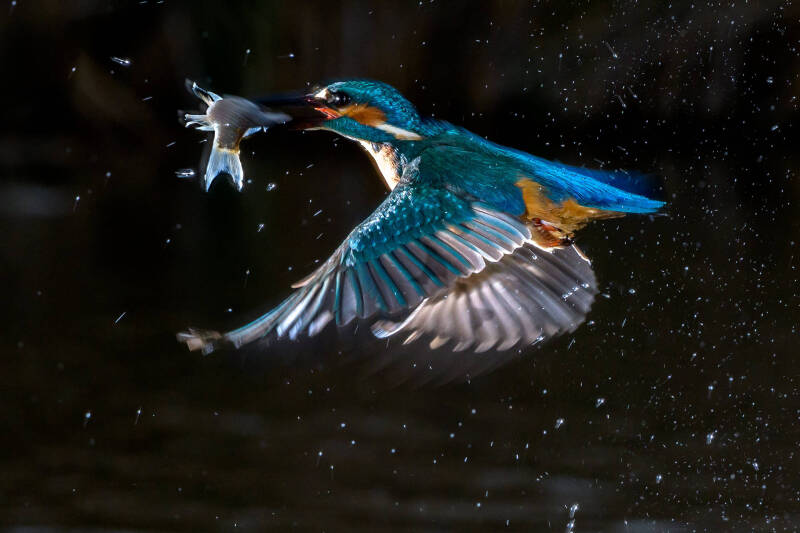
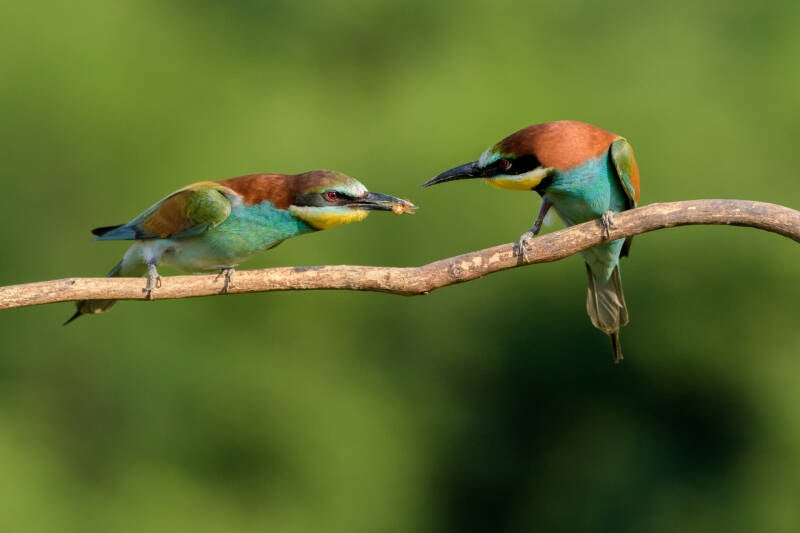
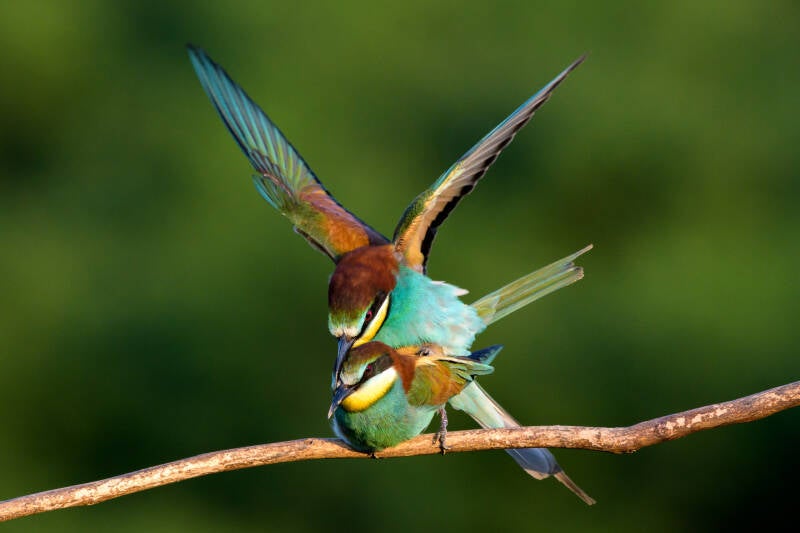
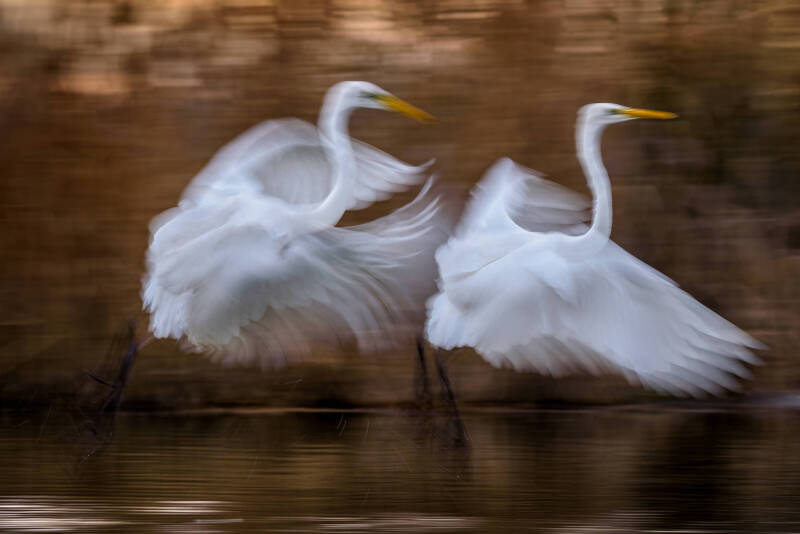
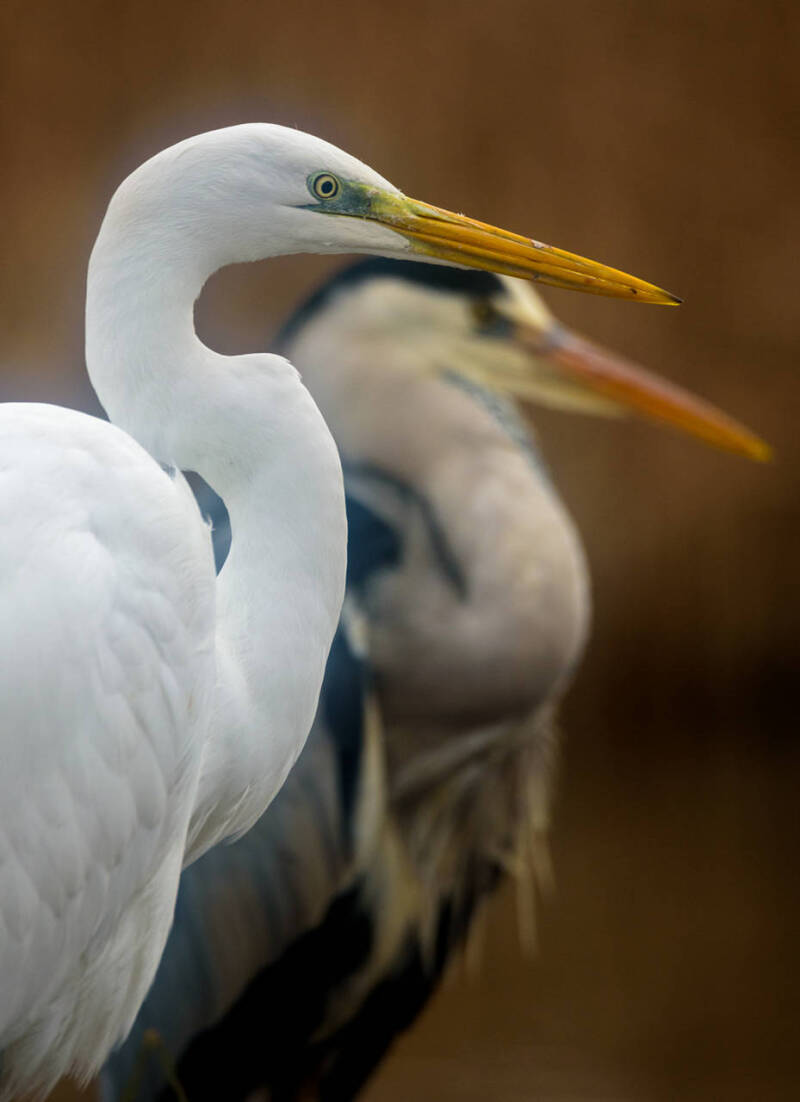
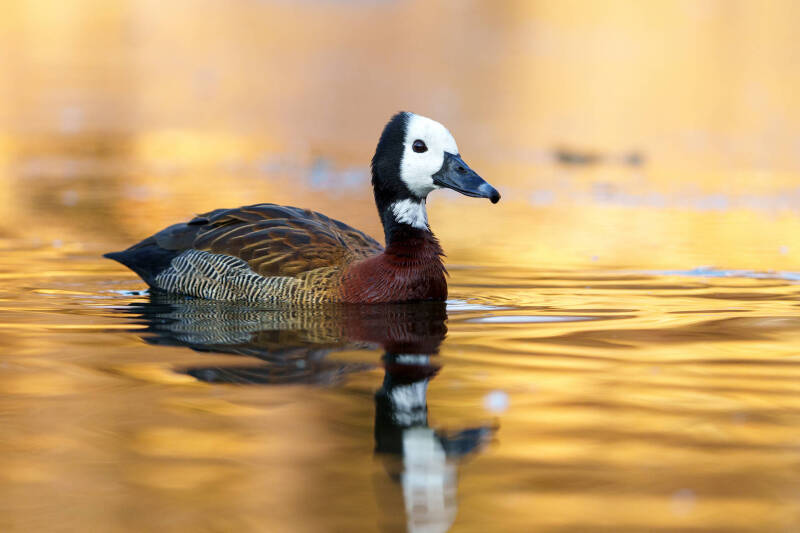
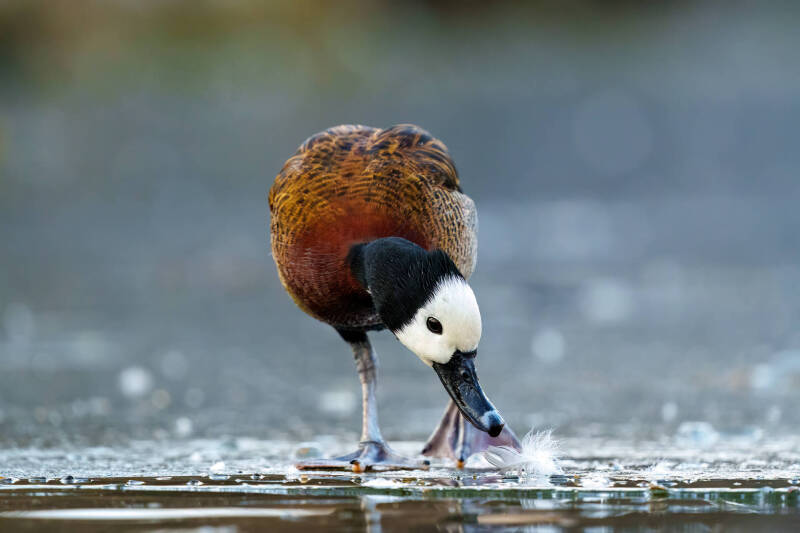
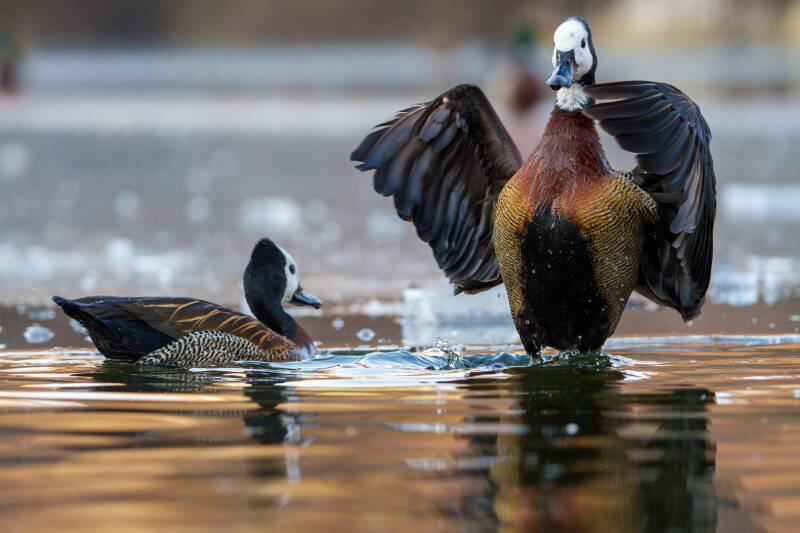
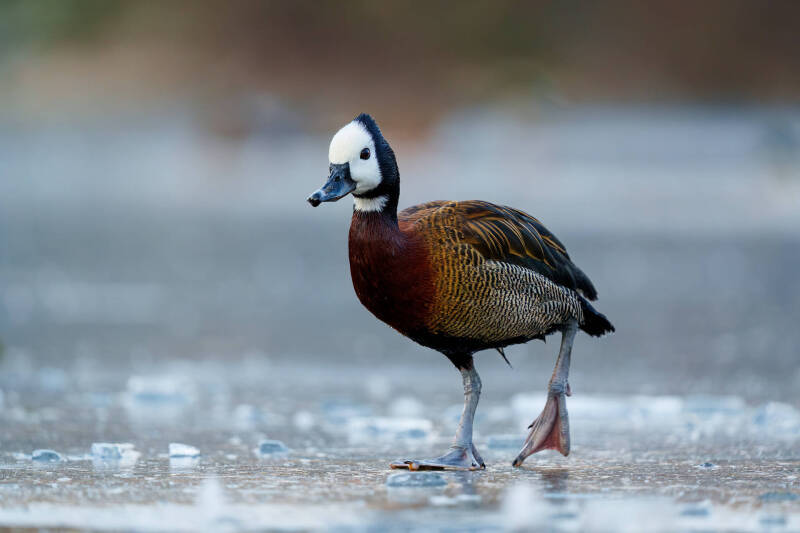
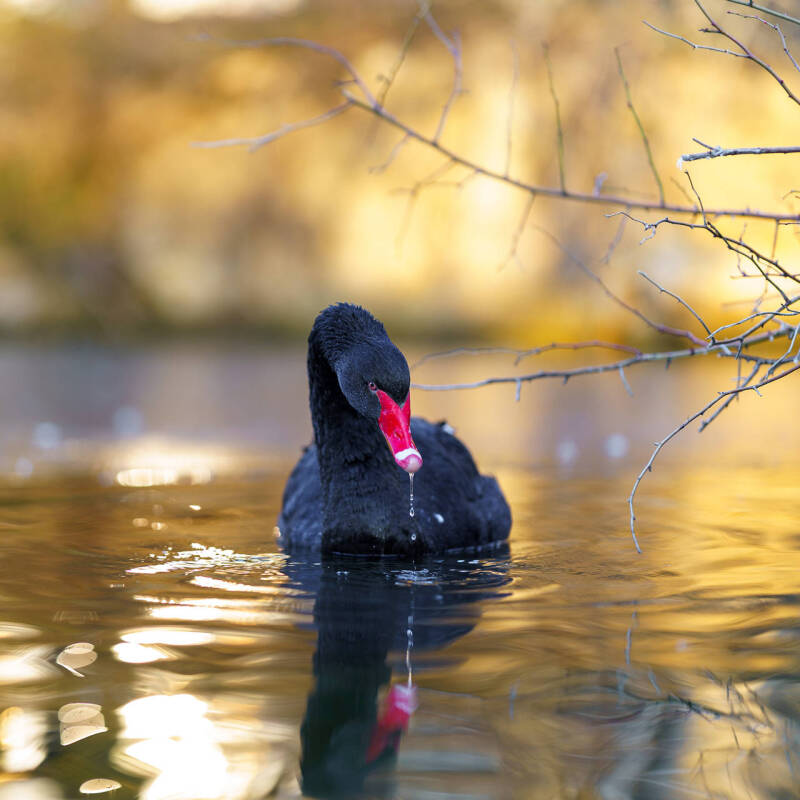
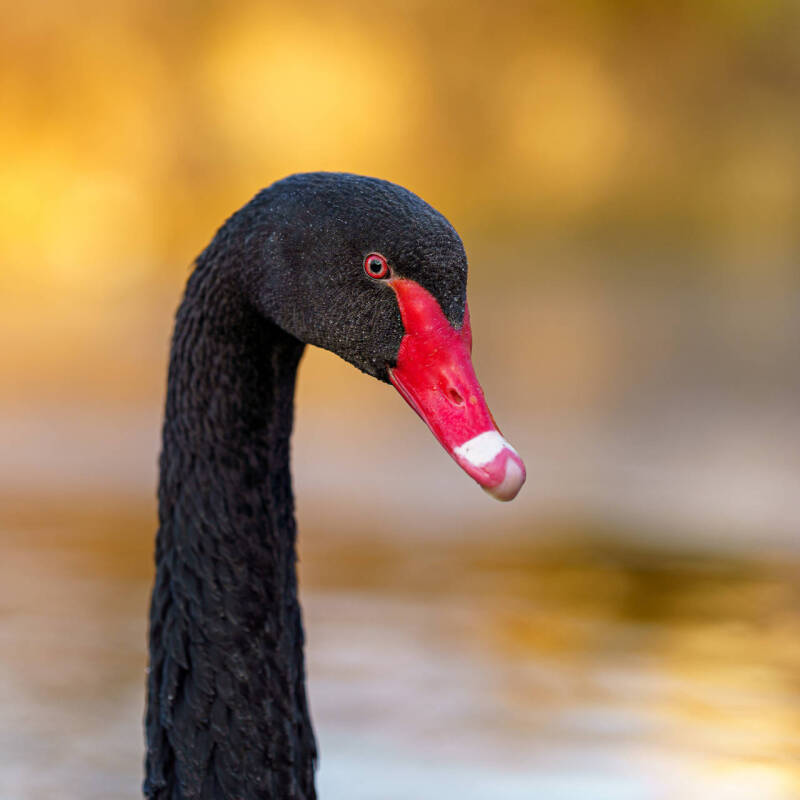
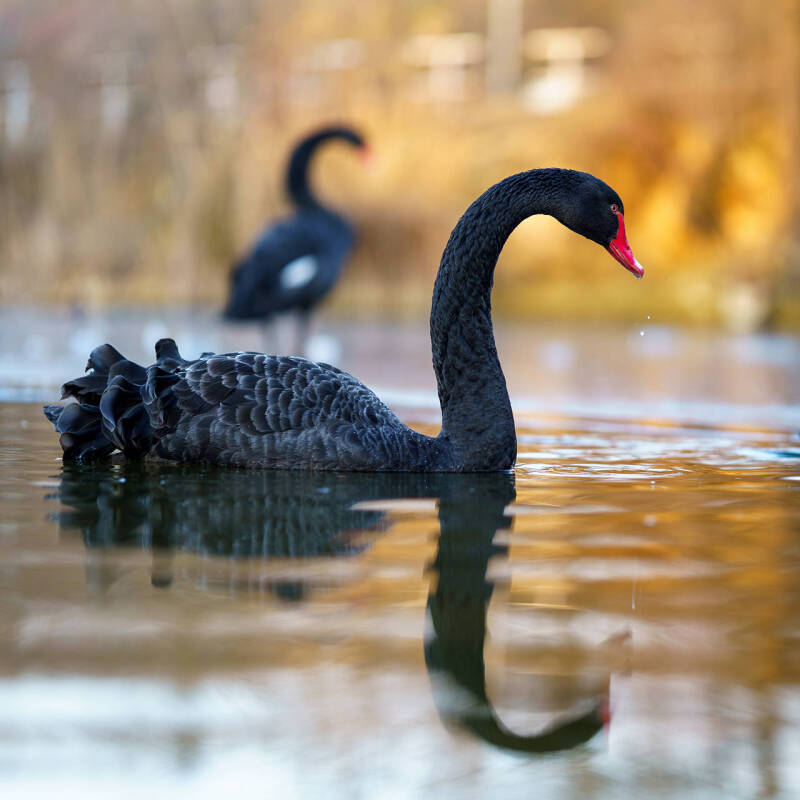
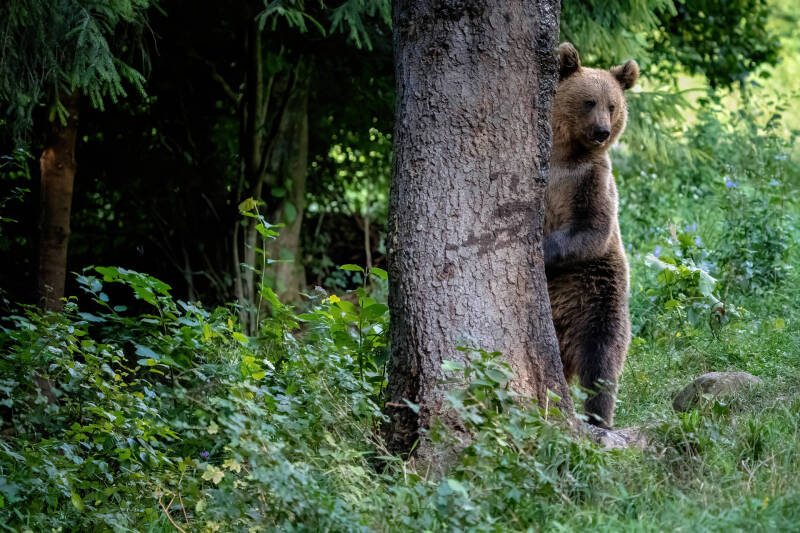
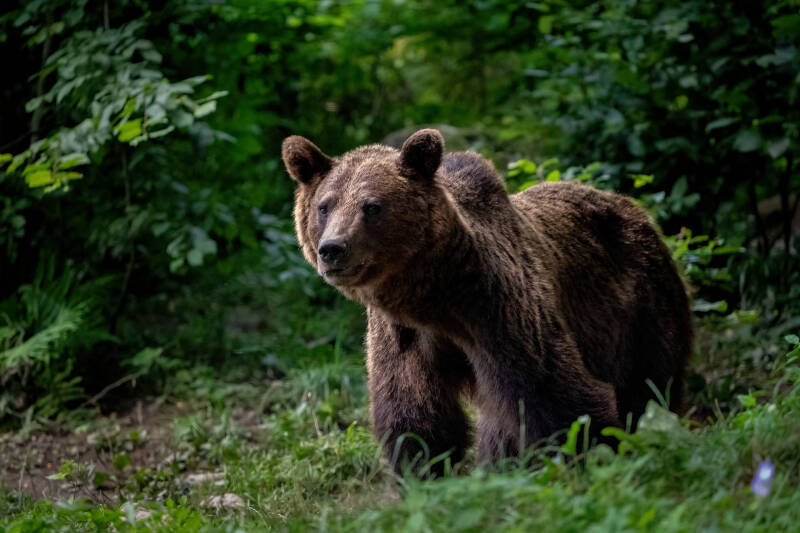
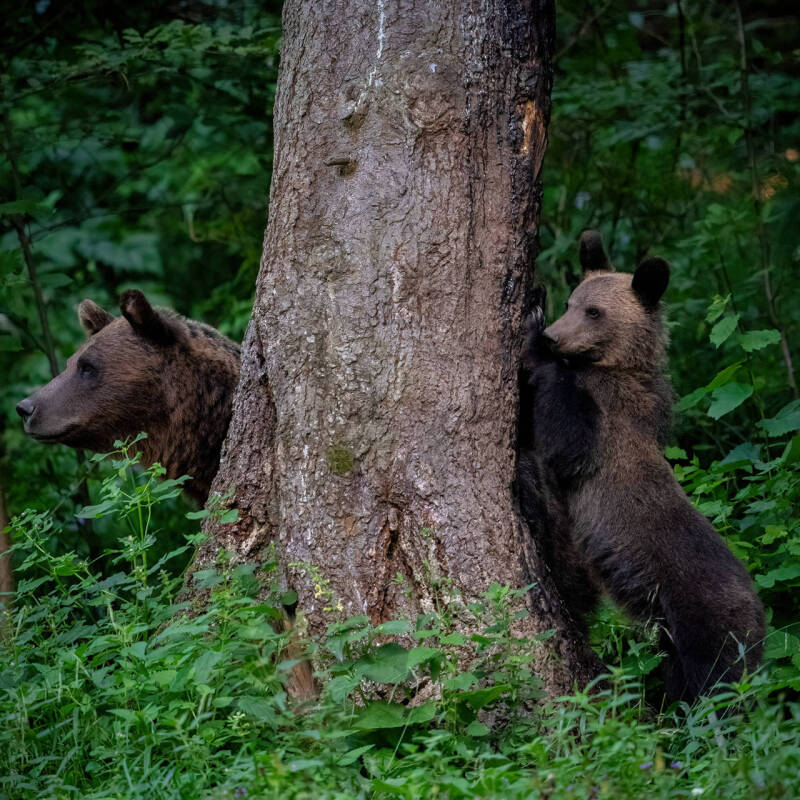
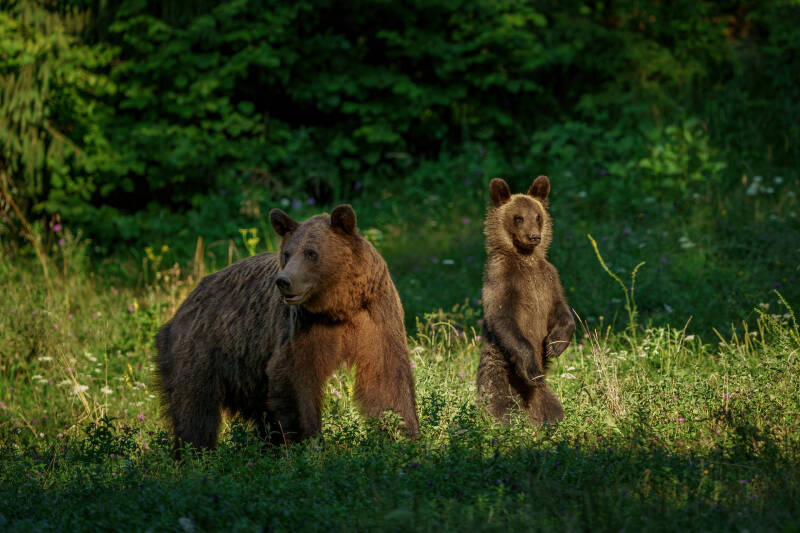
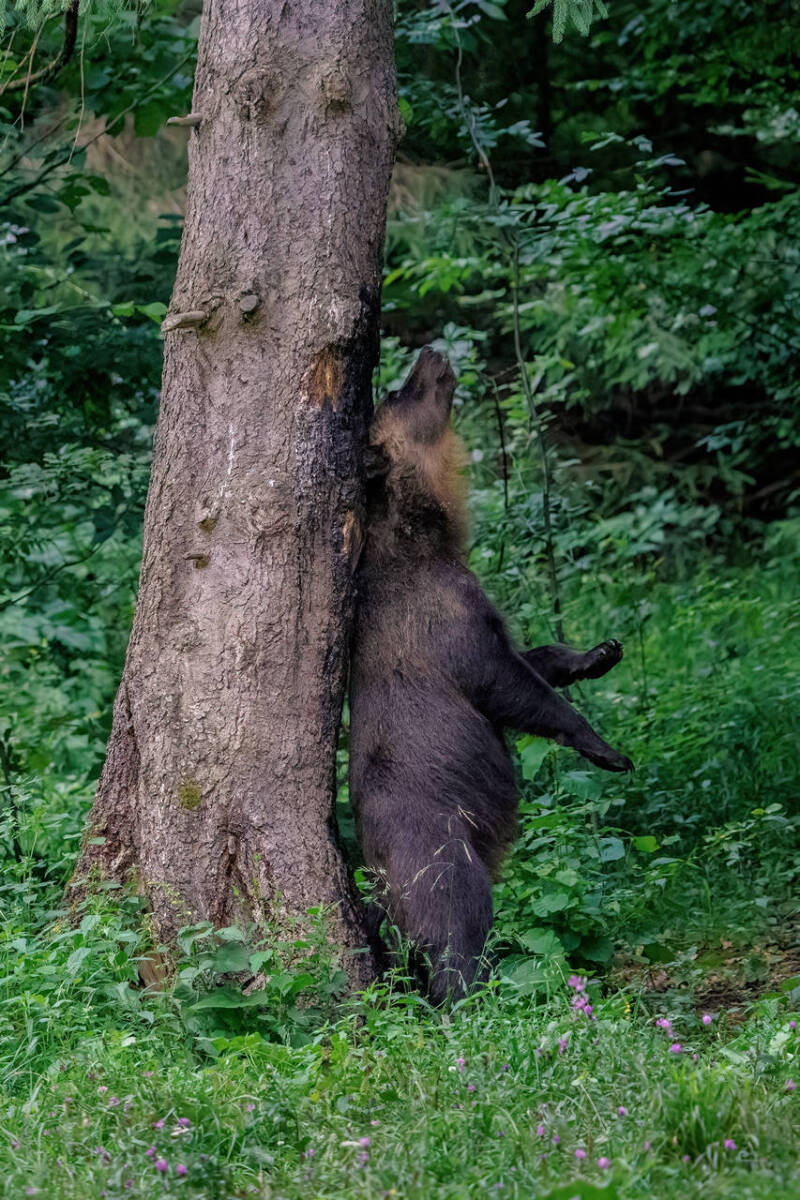
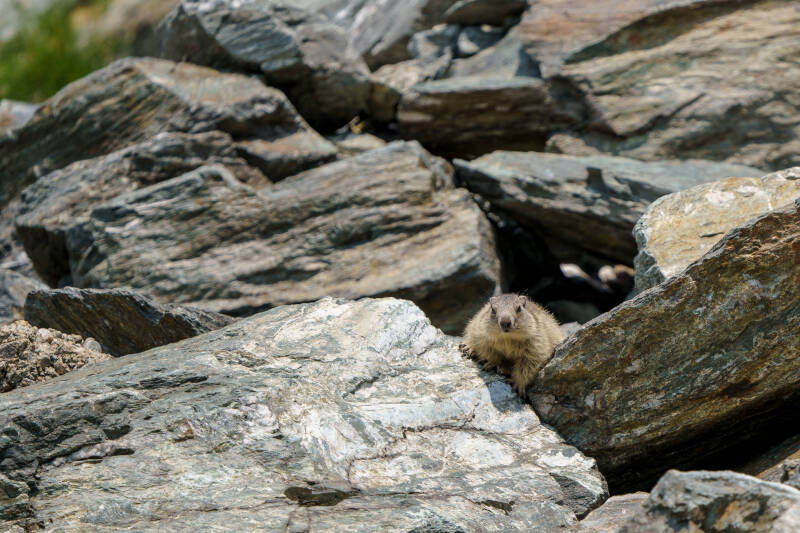
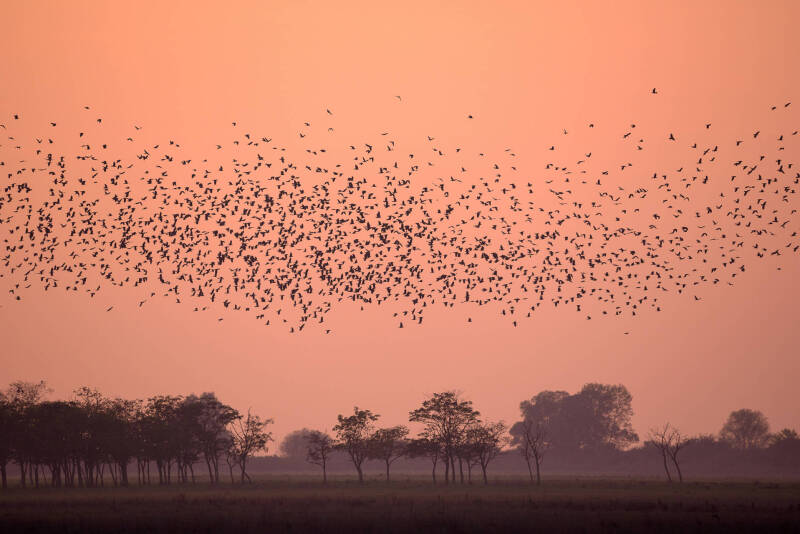
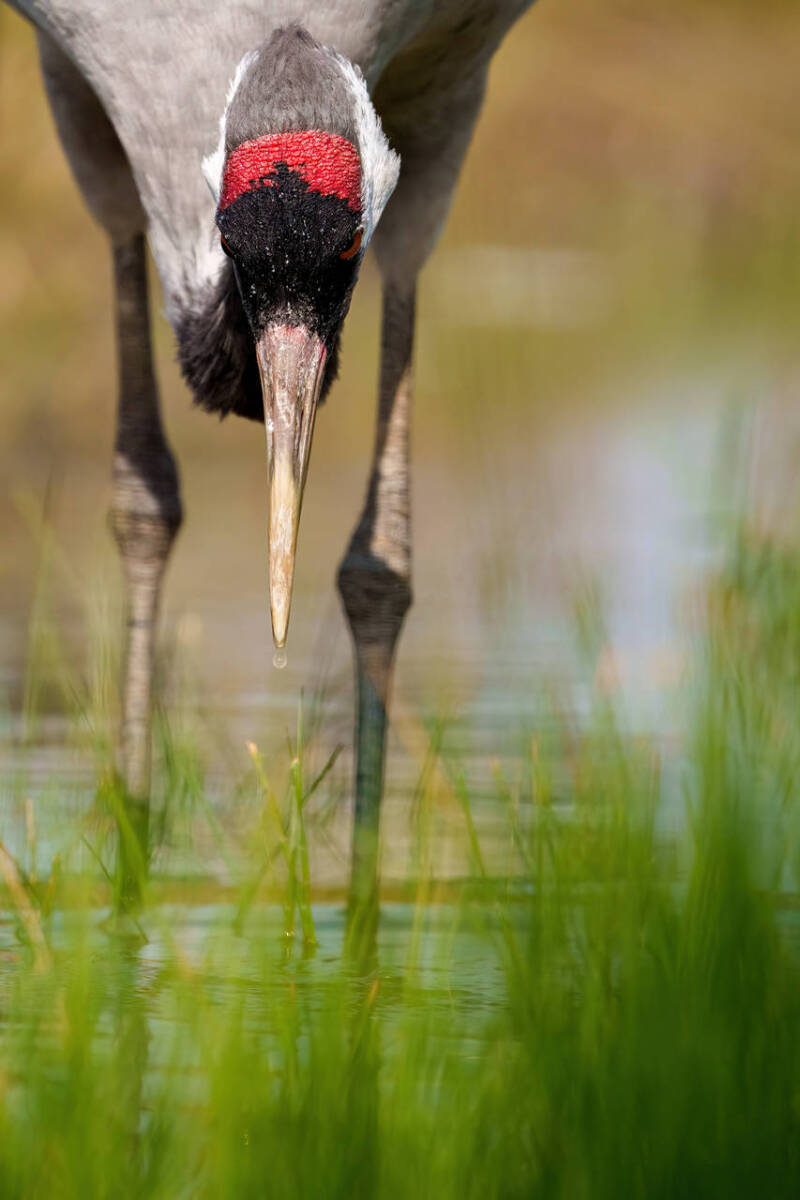
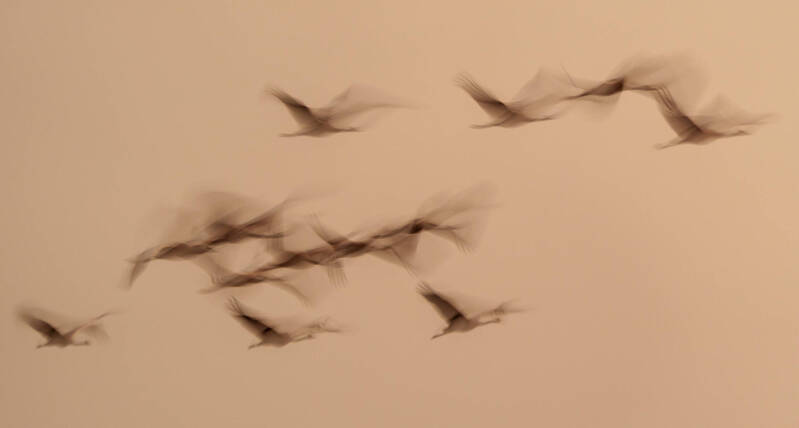
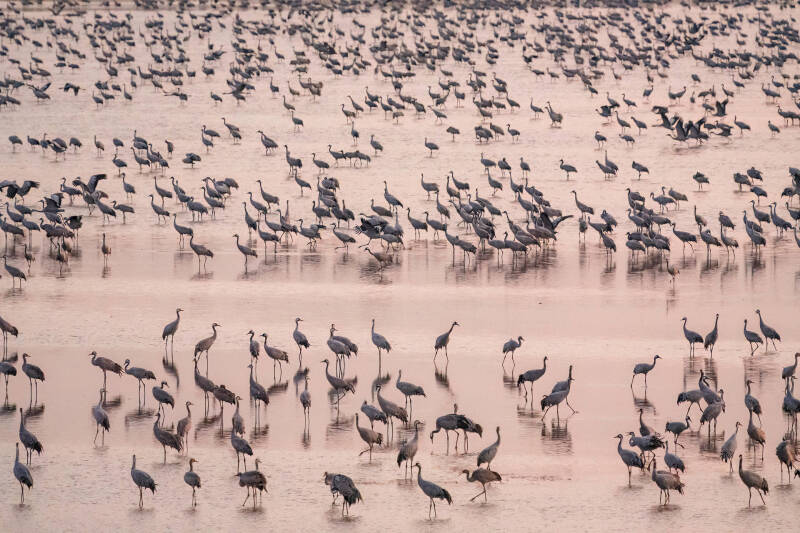
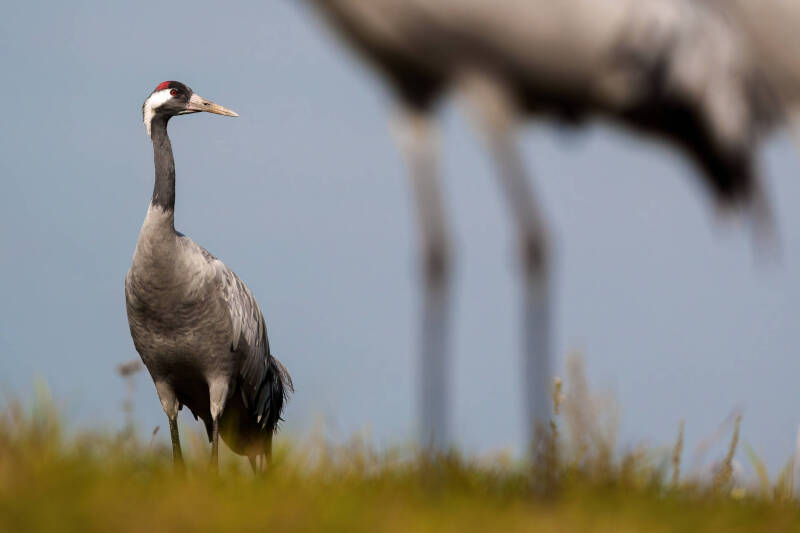
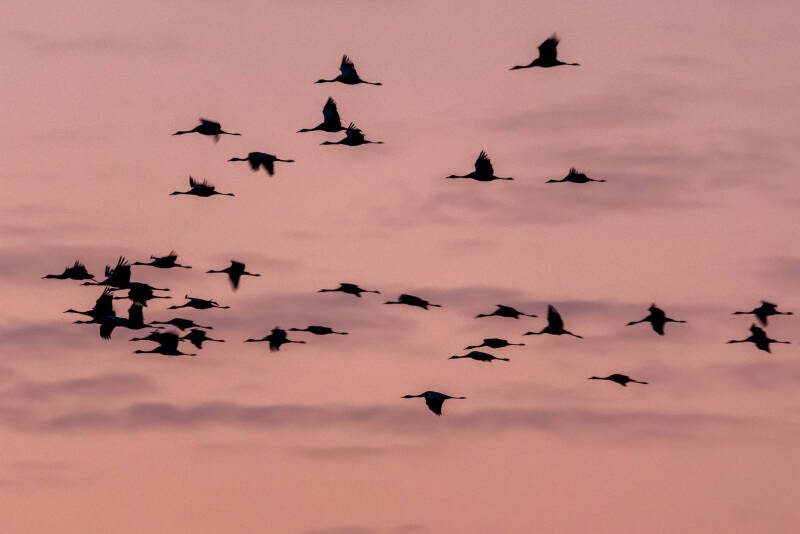
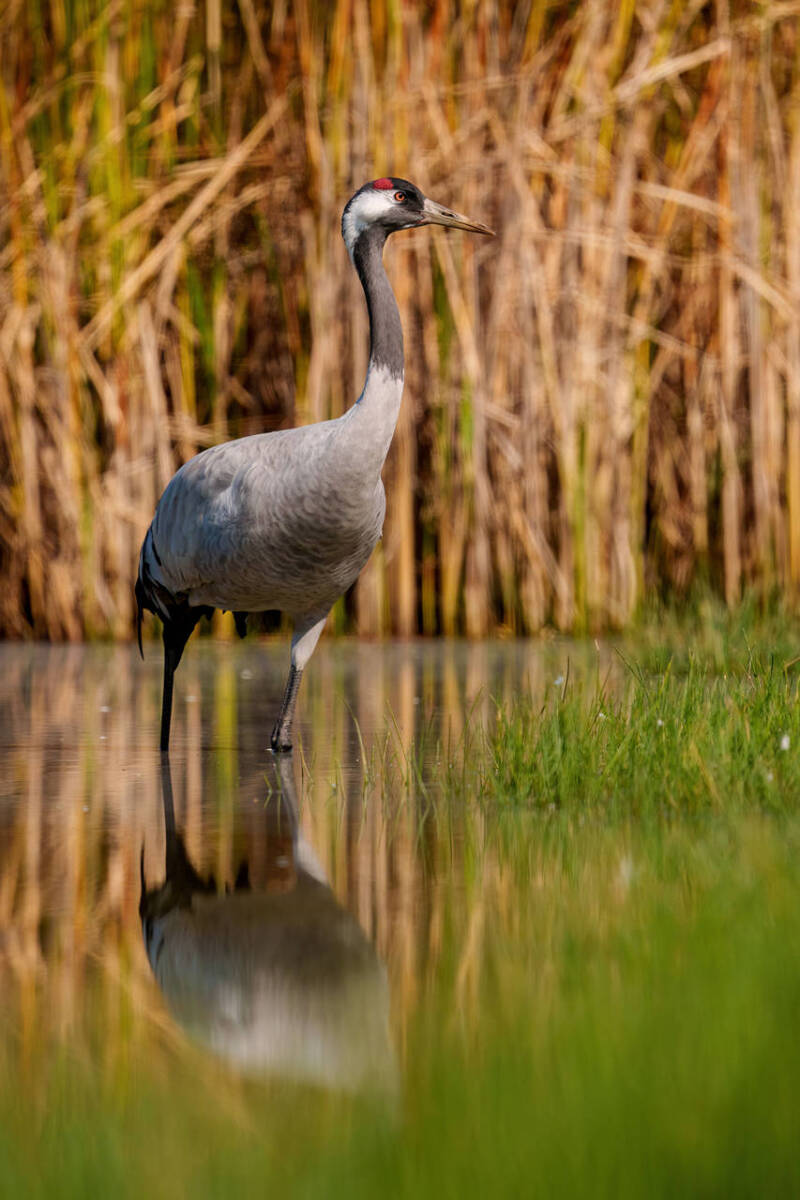
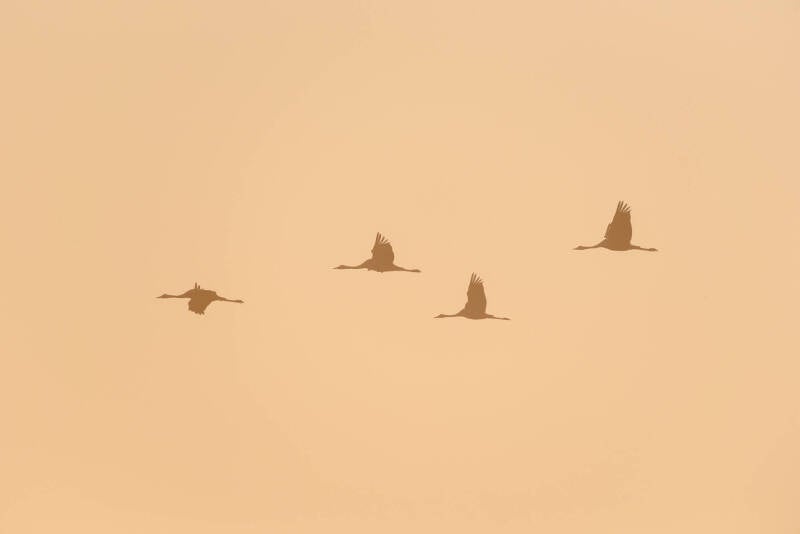
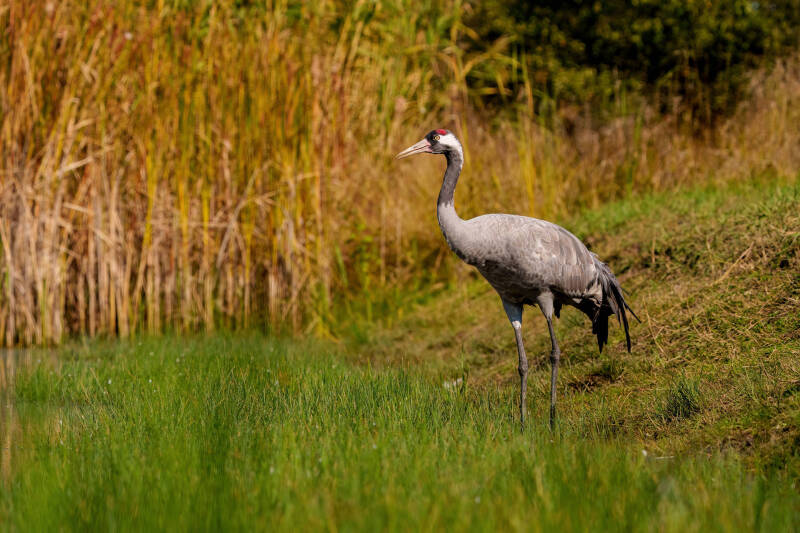
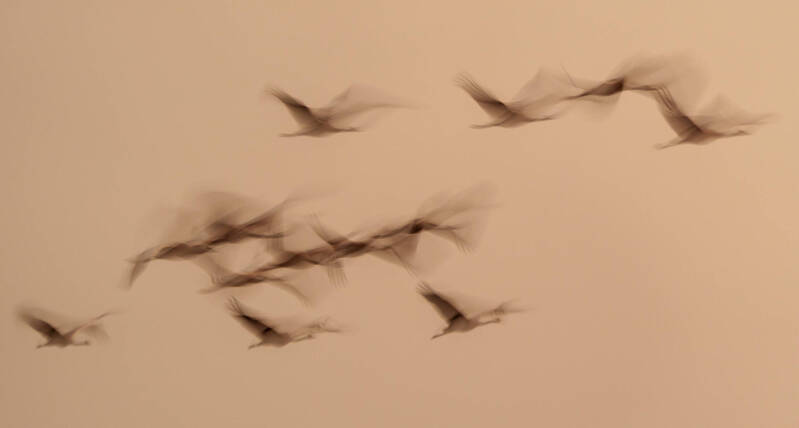
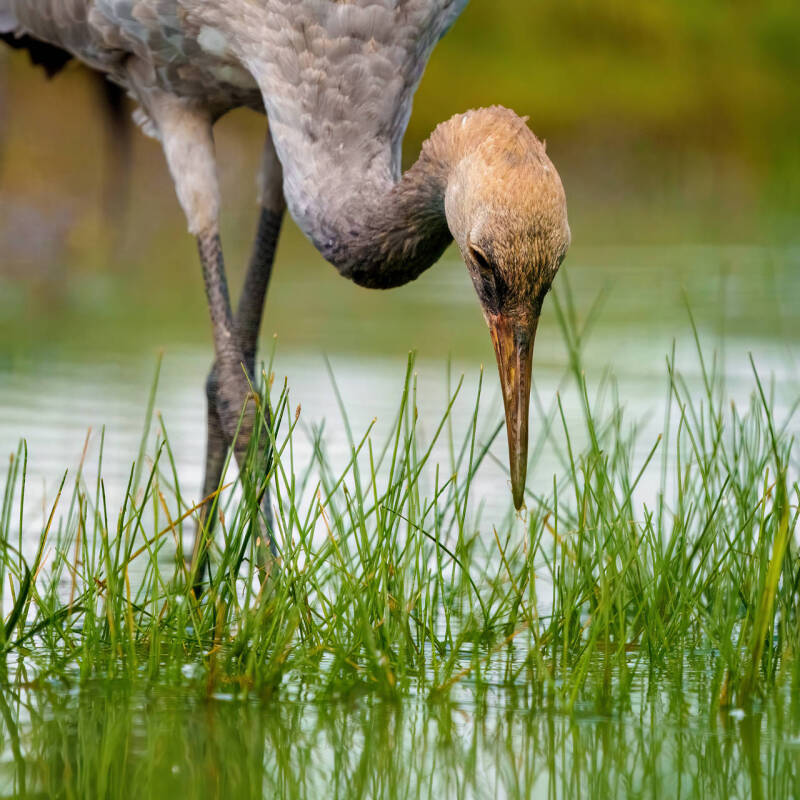
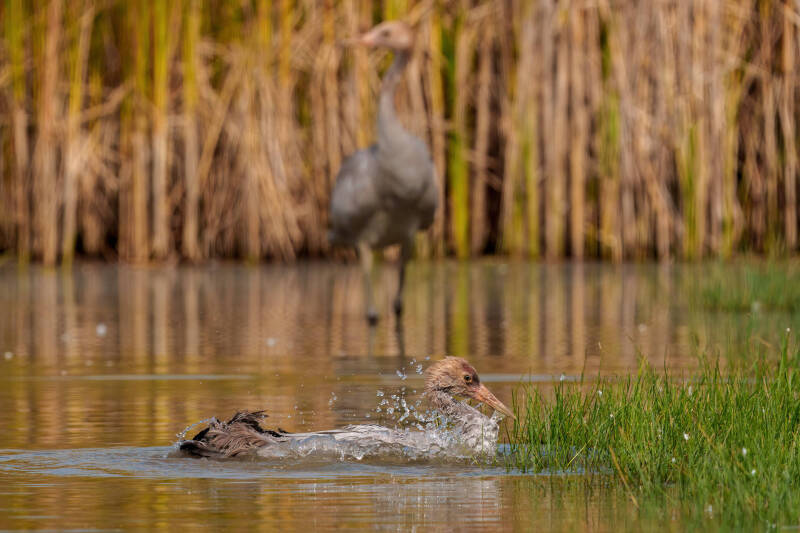
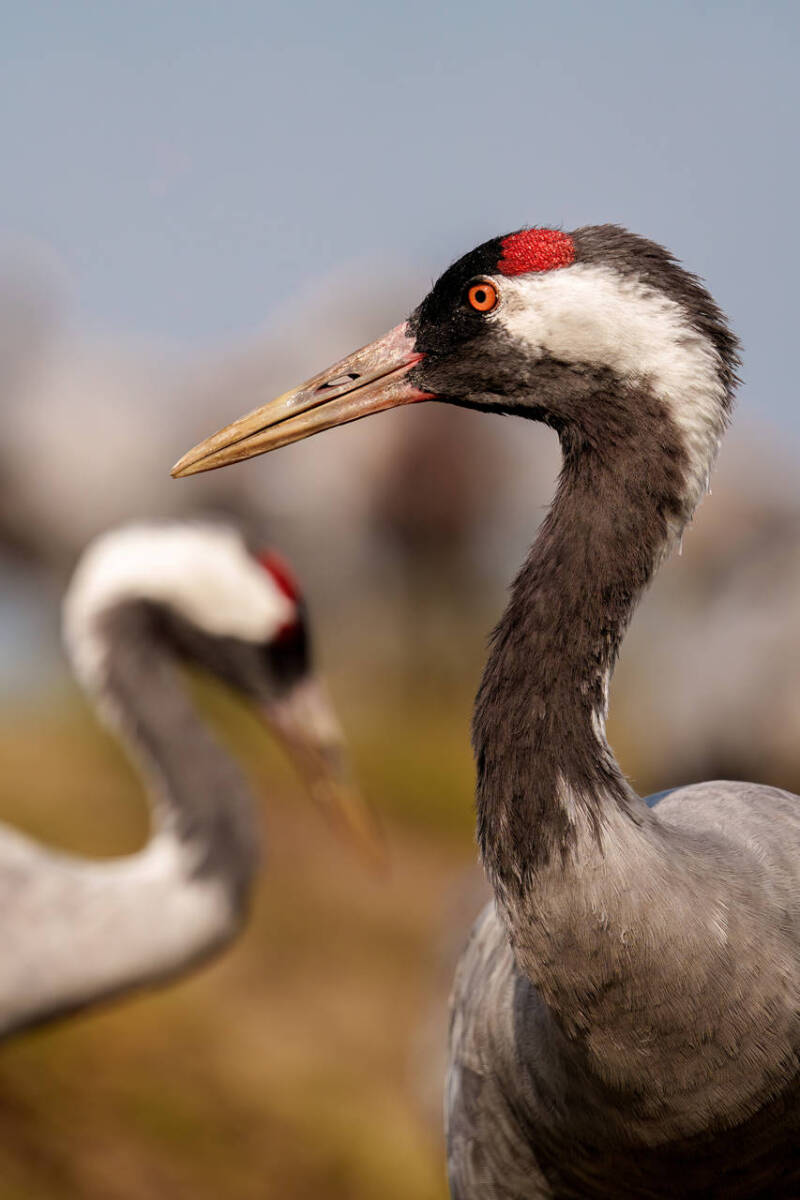
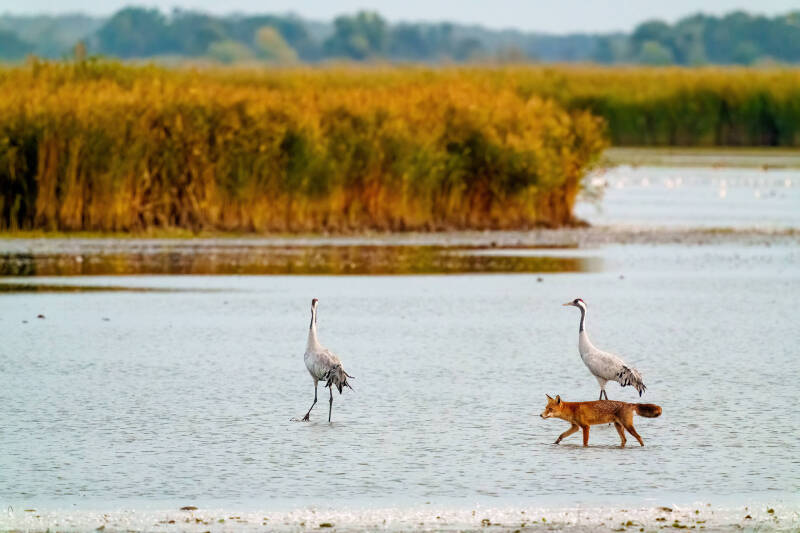
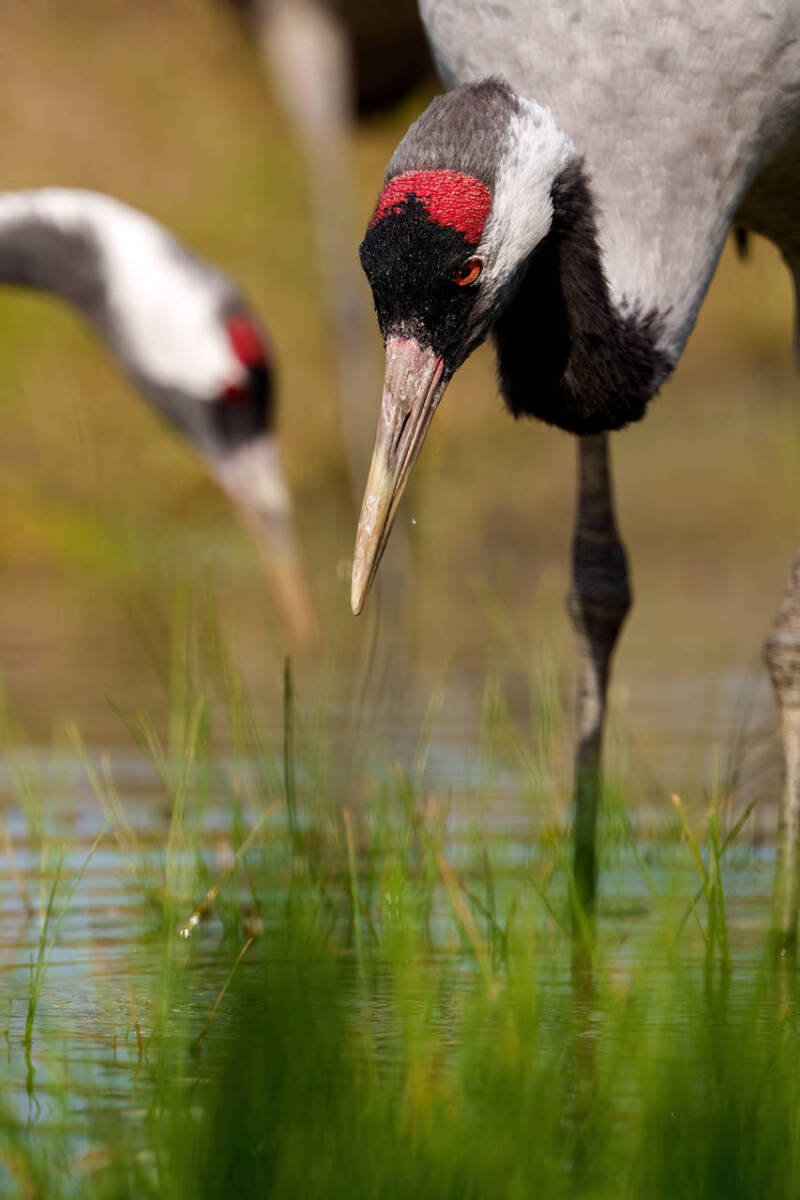
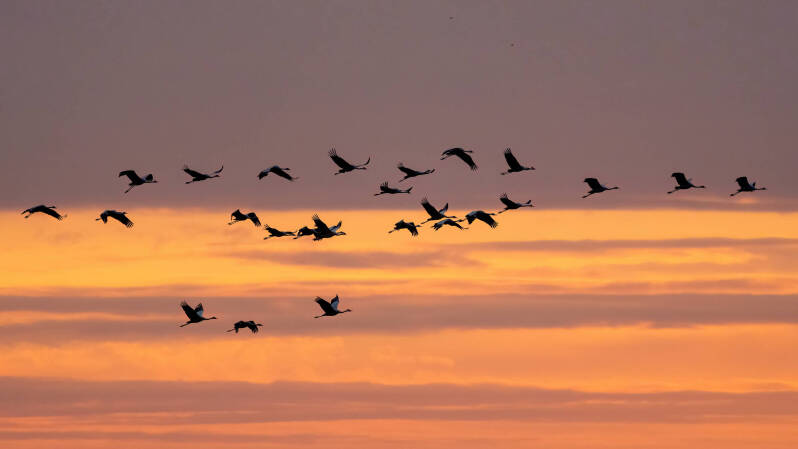
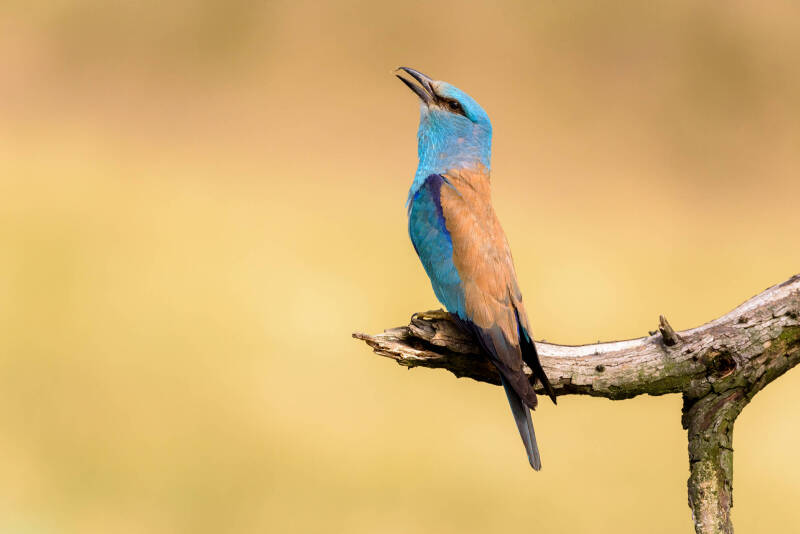
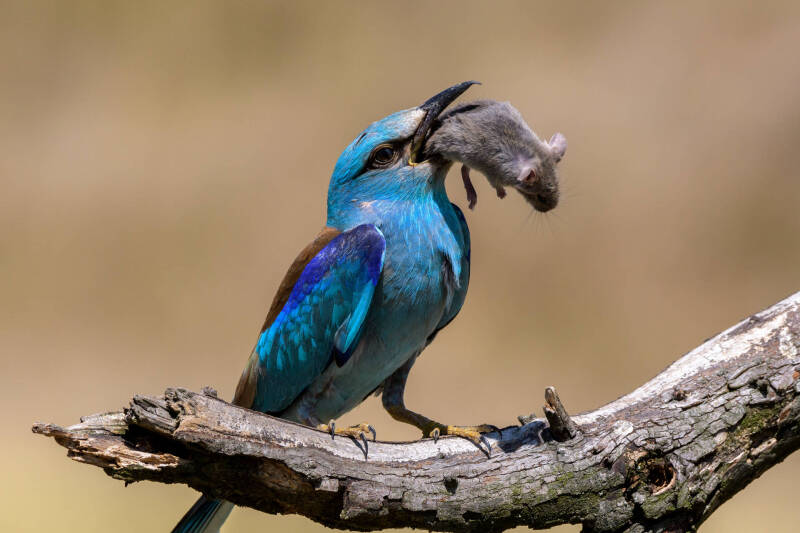
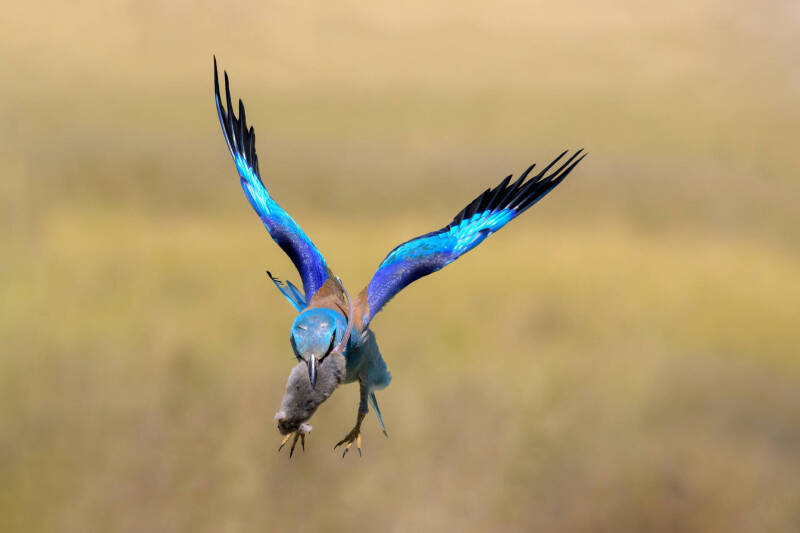
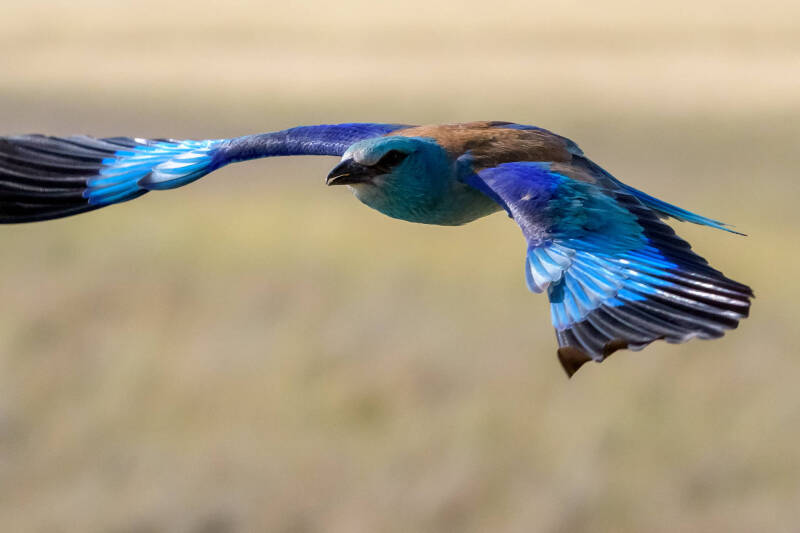
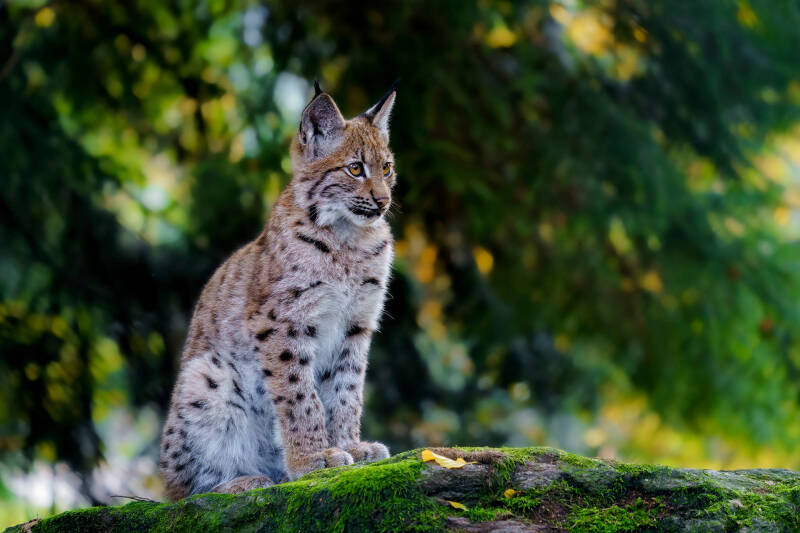
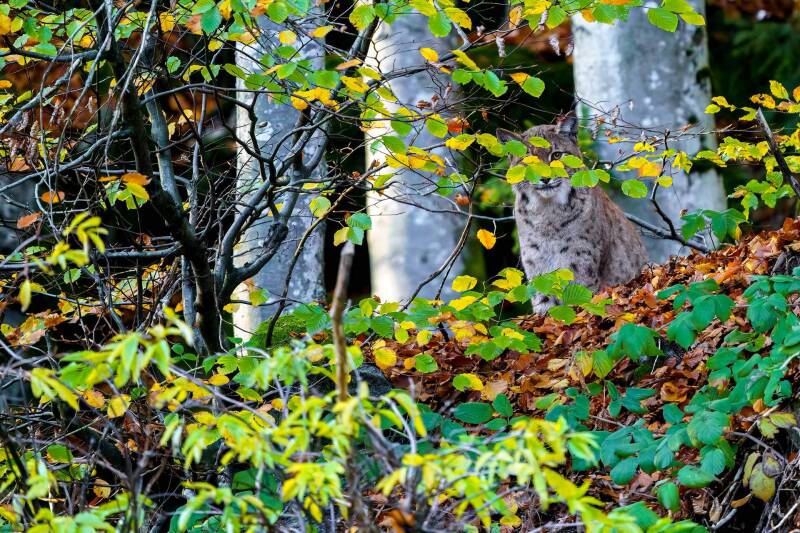
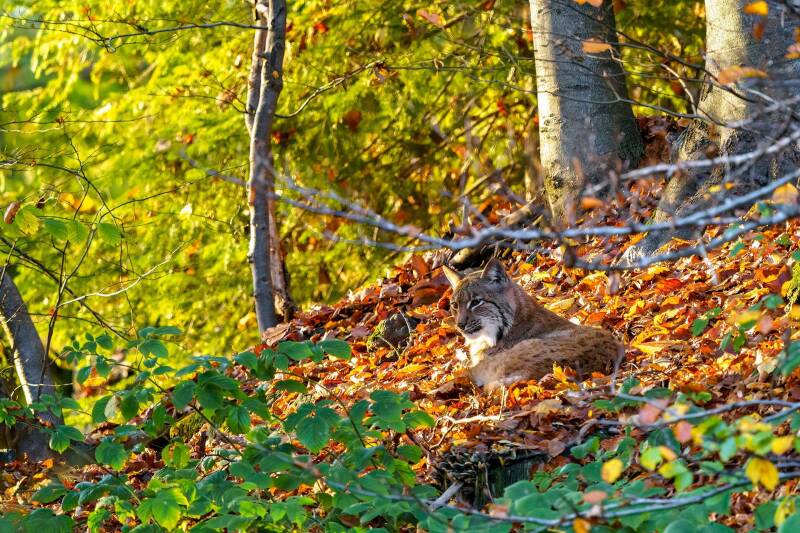
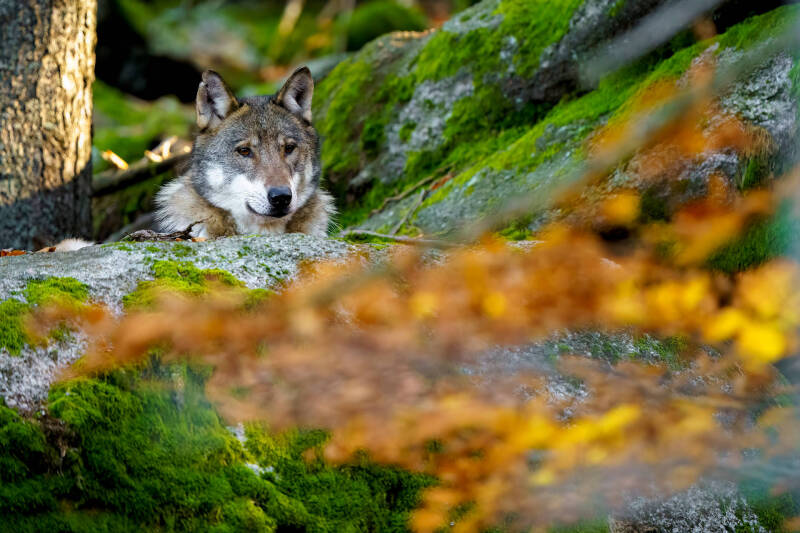
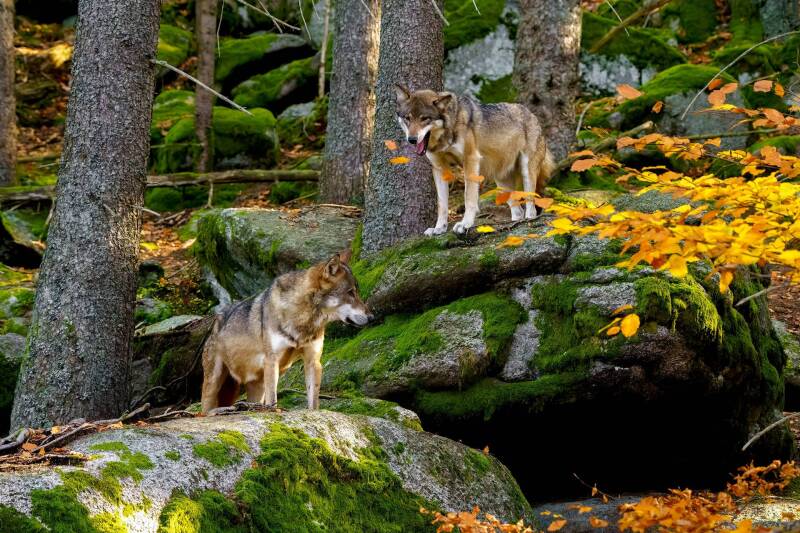
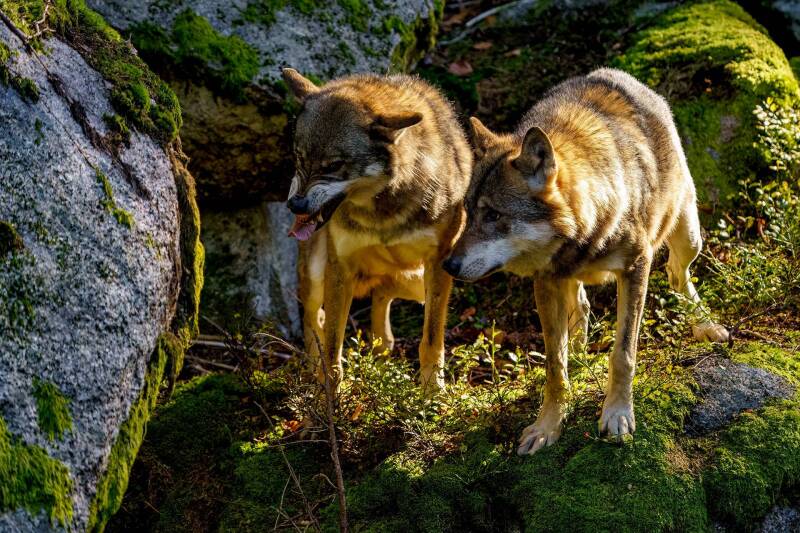
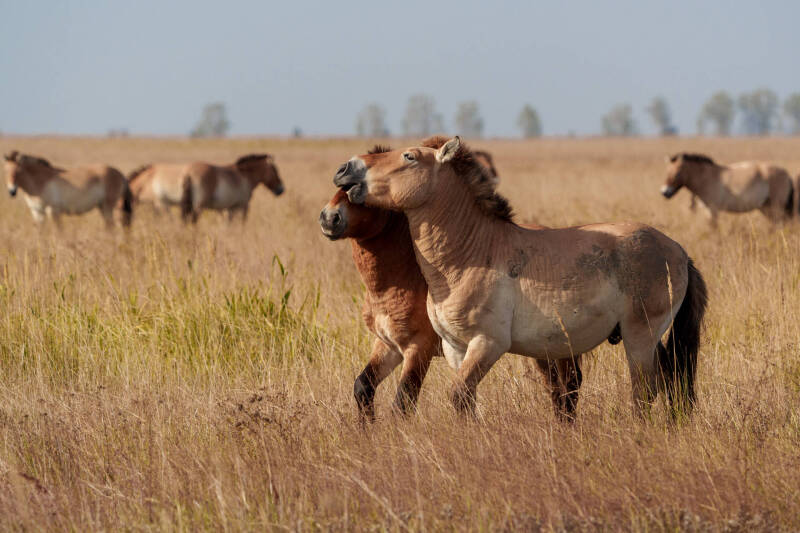
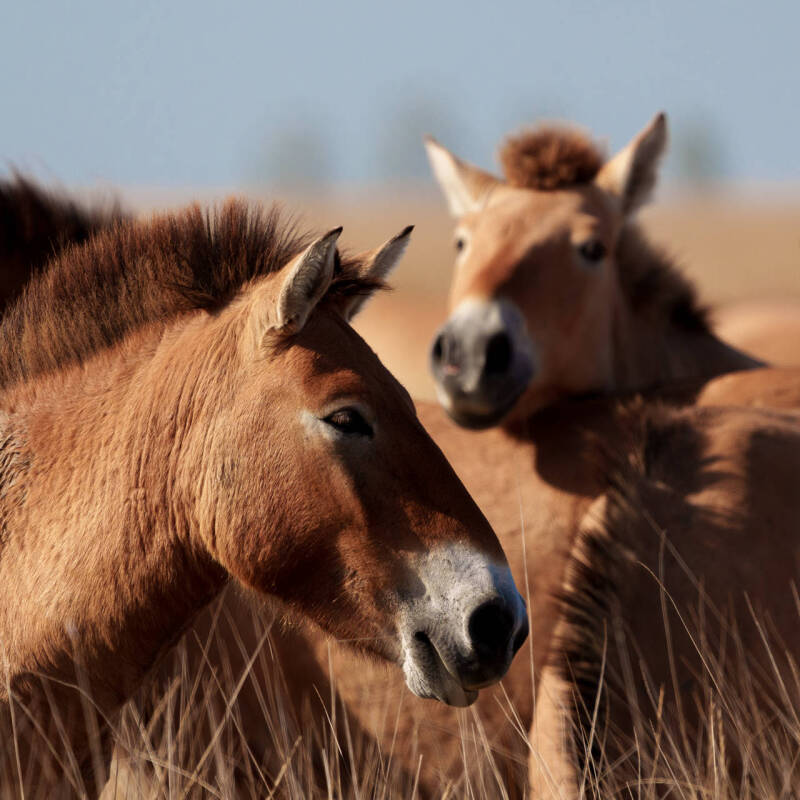
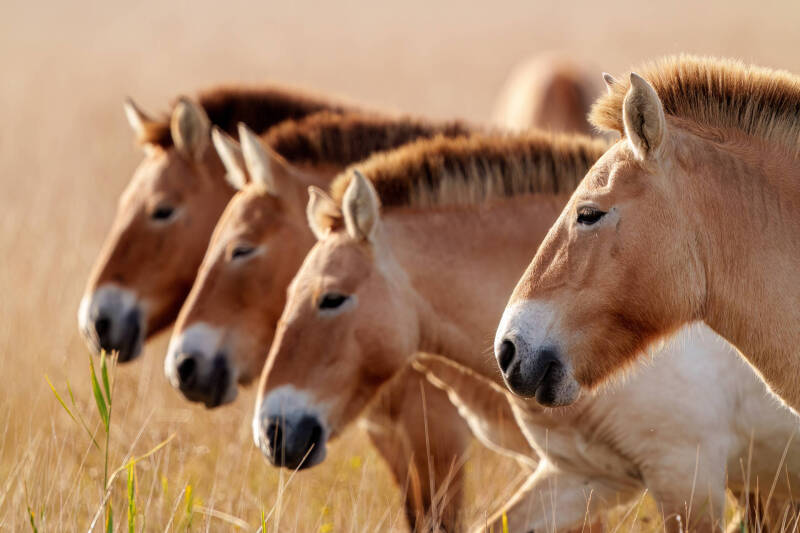
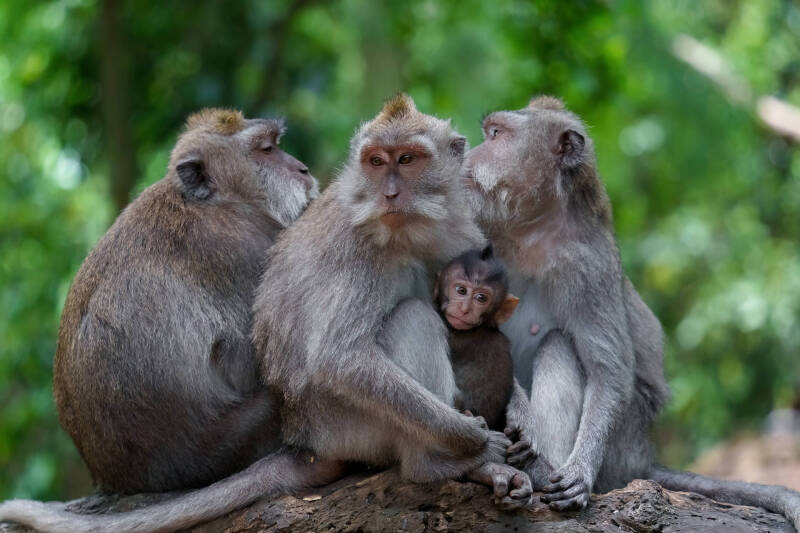
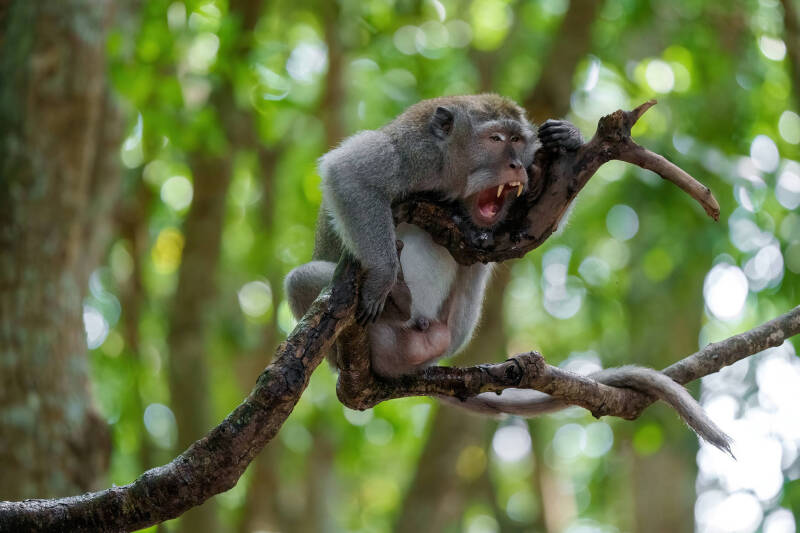
EN: wildlife photography, animal behavior photography, fieldcraft photography, stalking wildlife, improvised wildlife photography, nocturnal wildlife photography, Przewalski’s horse, European roller, kingfisher, red deer, wild boar, hoopoe, crane, grey wolf, brown bear, lynx, red fox, marmot, black swan, great egret, grey heron, European bee-eater, white-faced whistling duck, long-tailed macaque
HU: vadfotózás, állatviselkedés fotózás, cserkelés, terepfotózás, éjszakai vadfotózás, gímszarvas, vaddisznó, daru, szürke farkas, barnamedve, hiúz, vörös róka, mormota, nagykócsag, szürke gém, gyurgyalag, szalakóta, jégmadár, búbos banka, apáca fütyülőréce, makákó
Create Your Own Website With Webador