

Busójárás Carnival
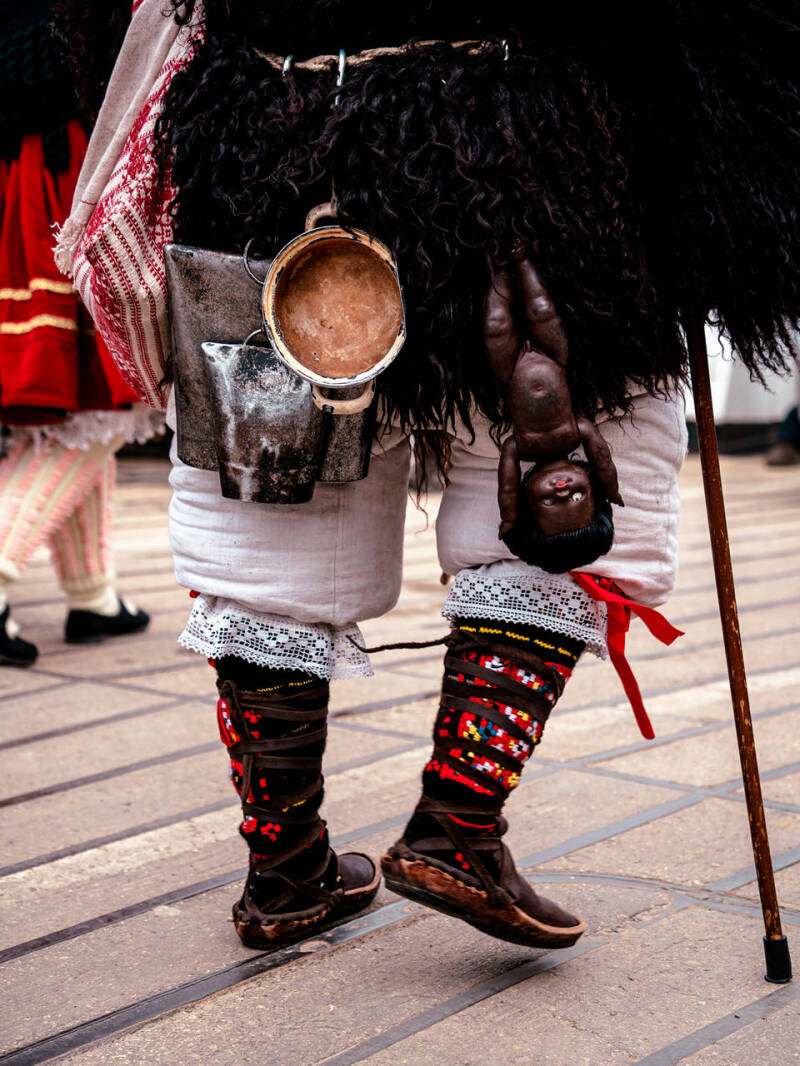
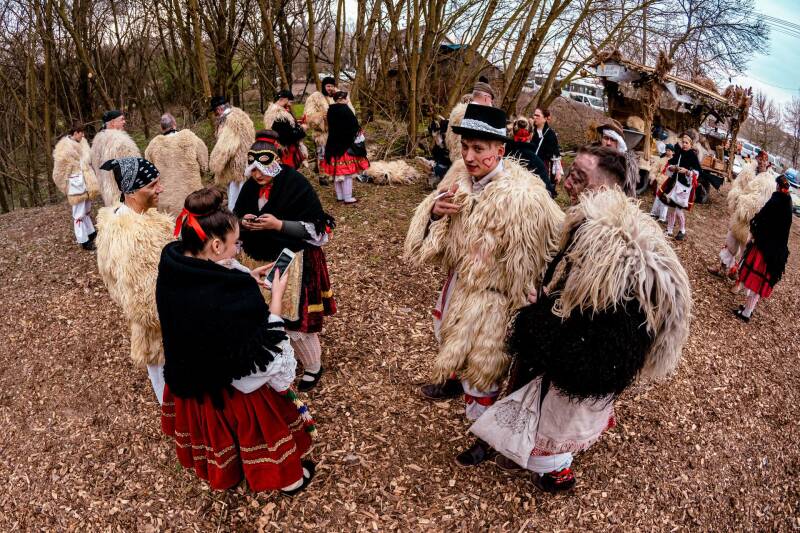
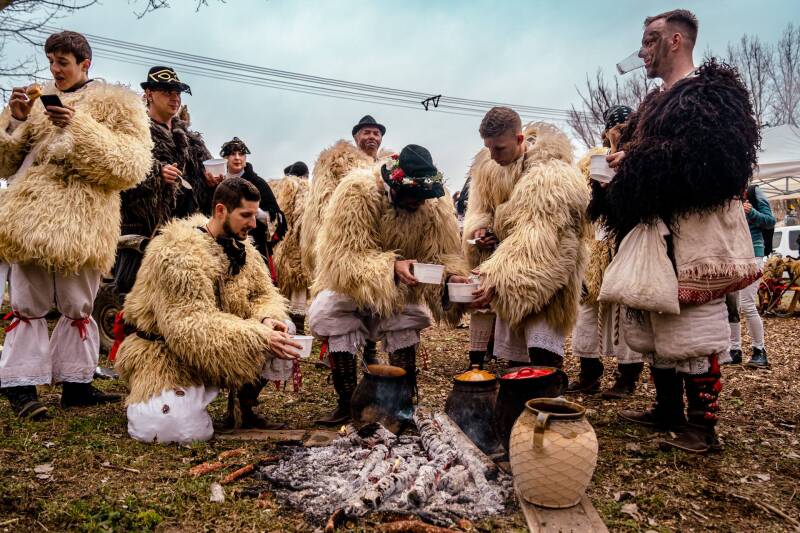
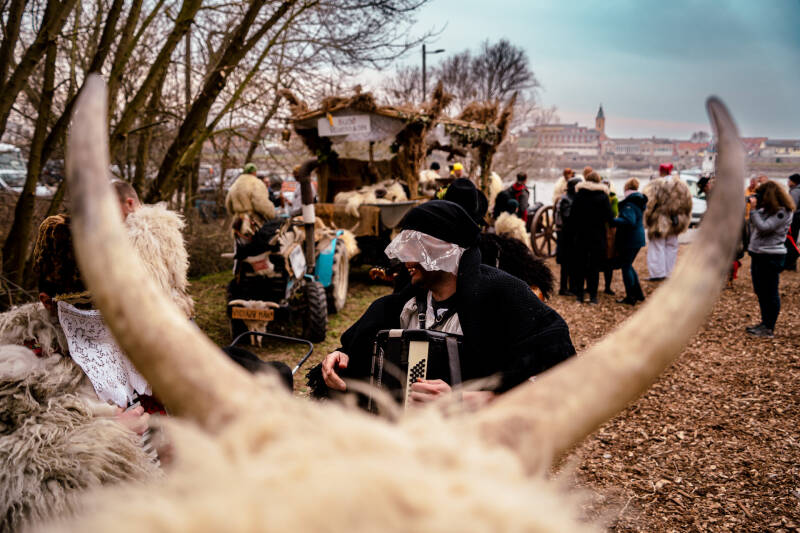
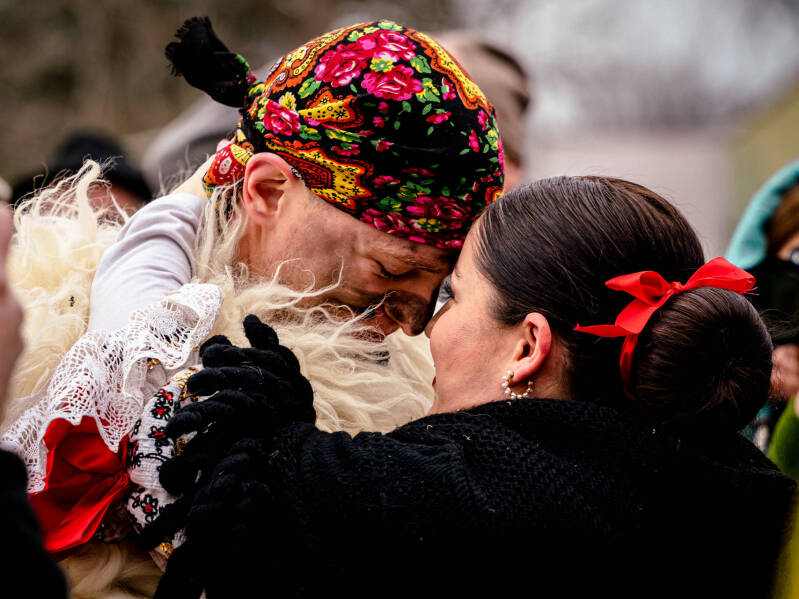
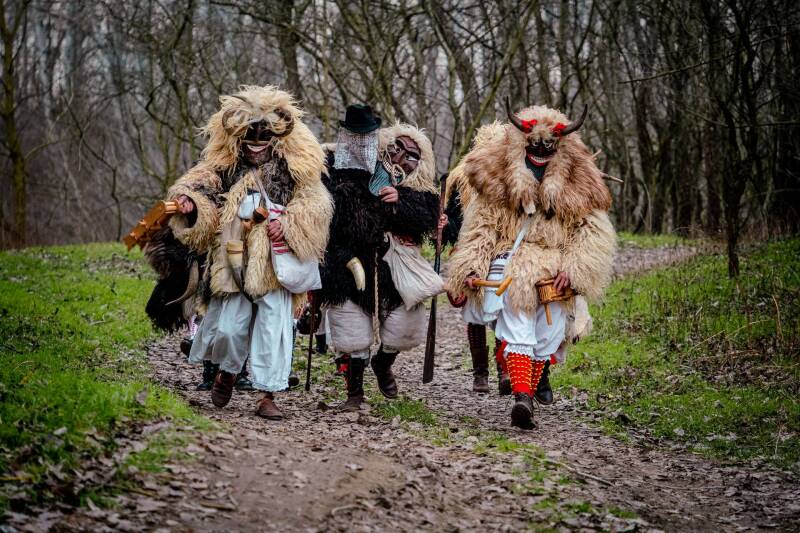
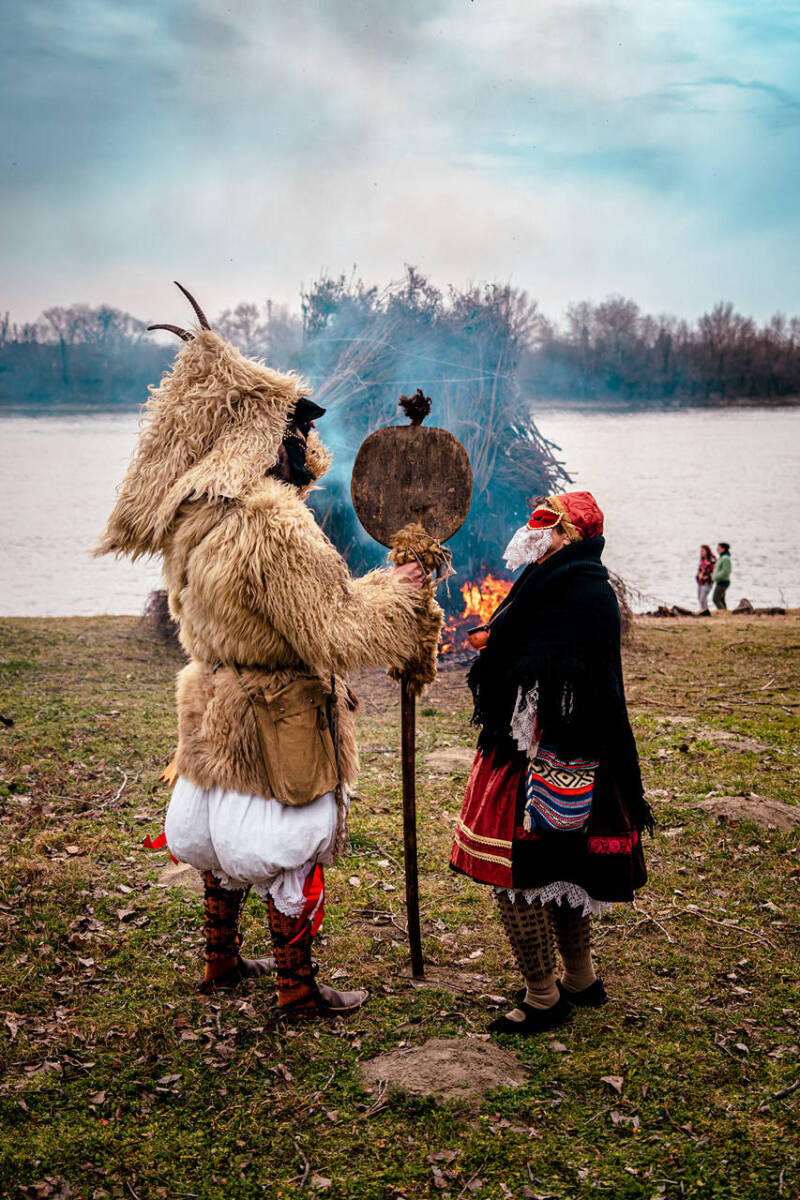
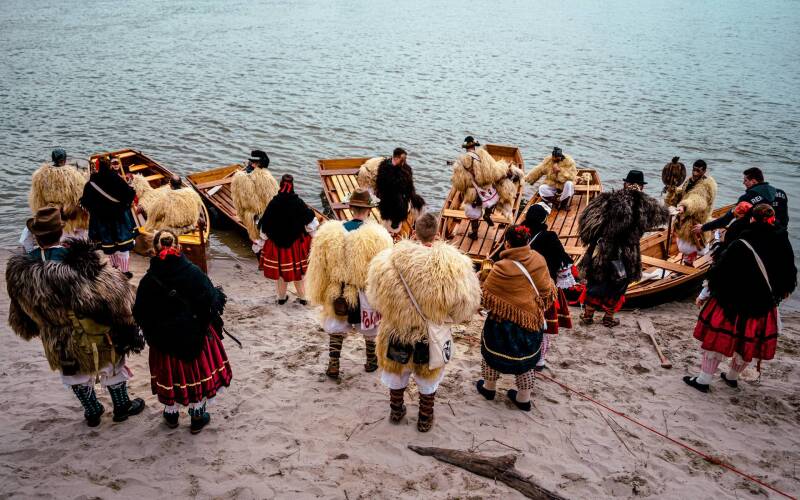
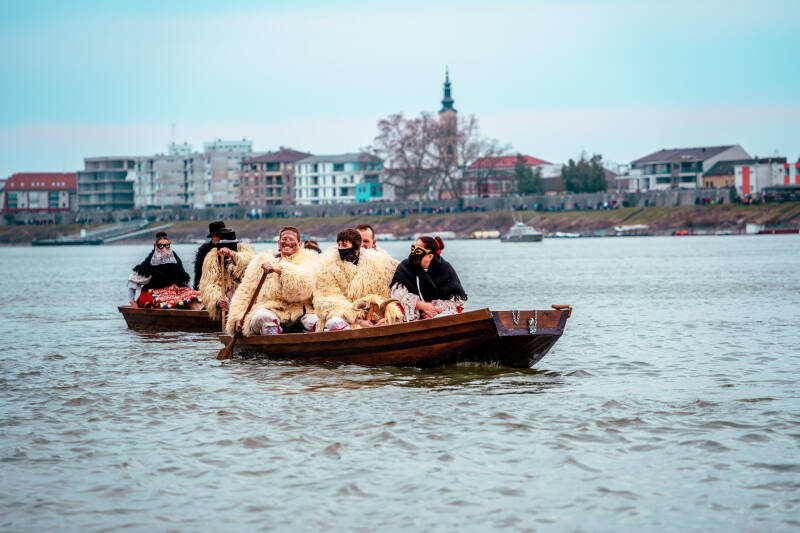
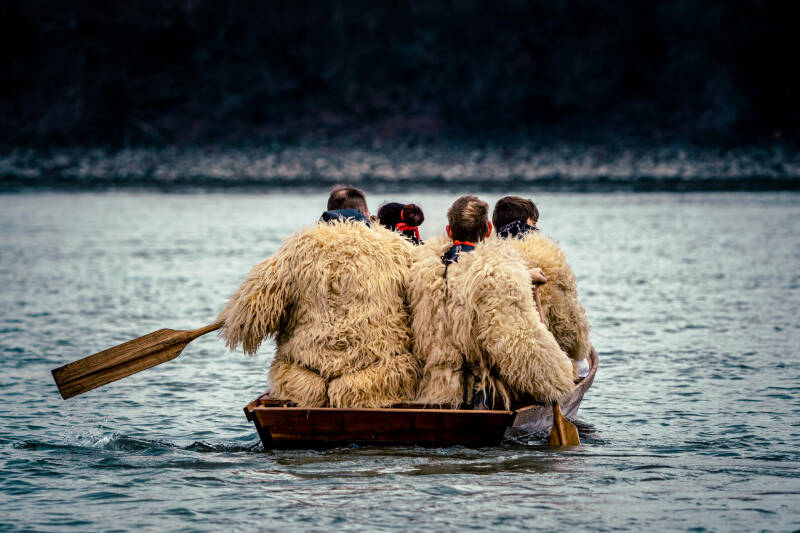
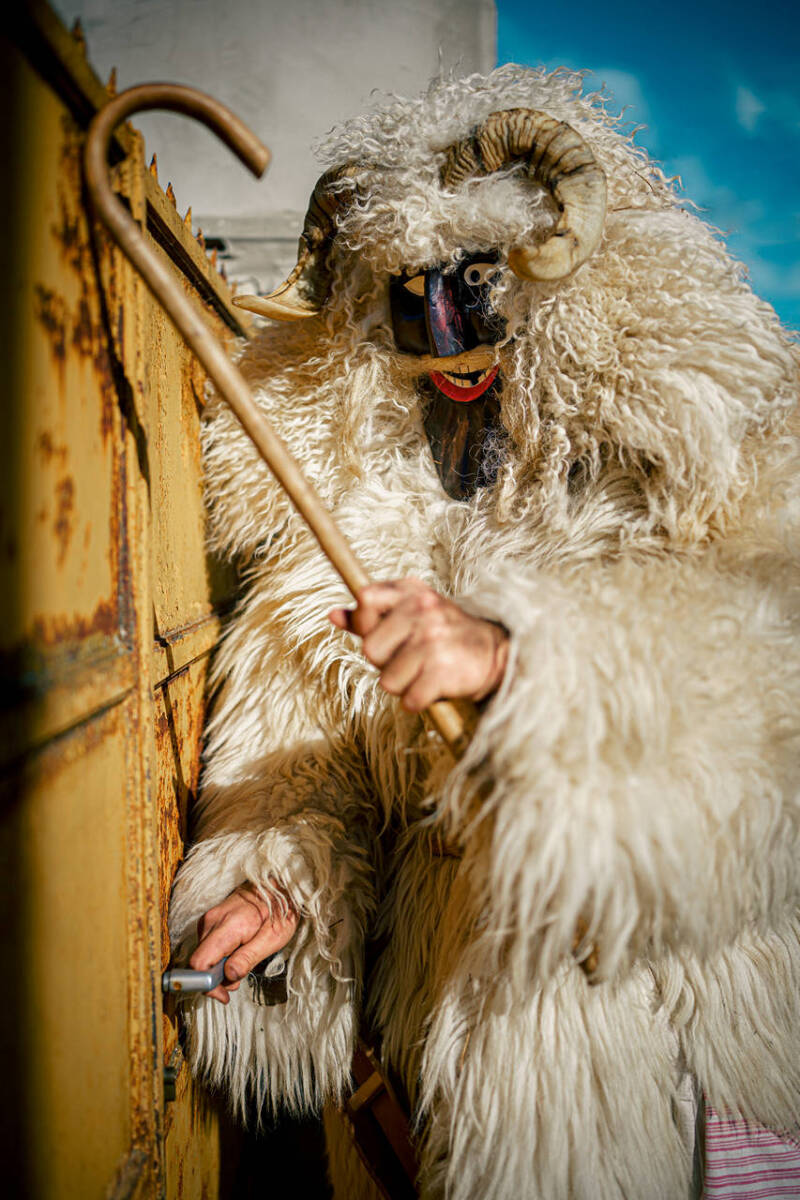
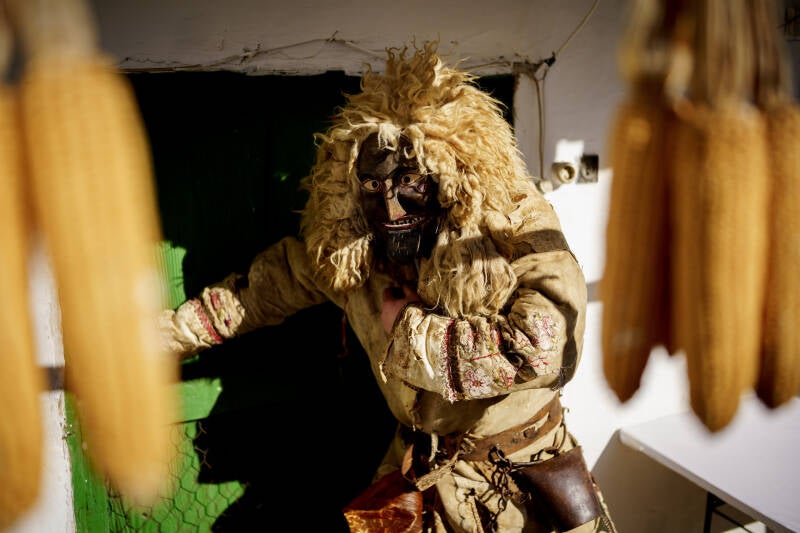
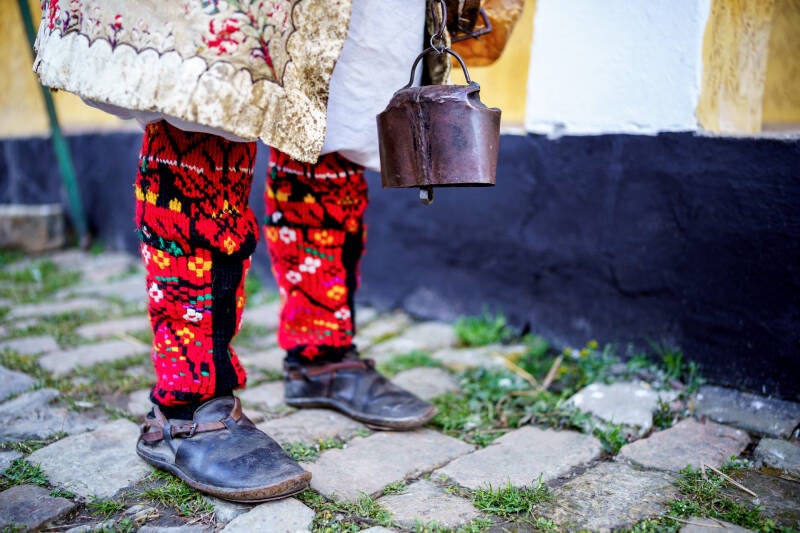
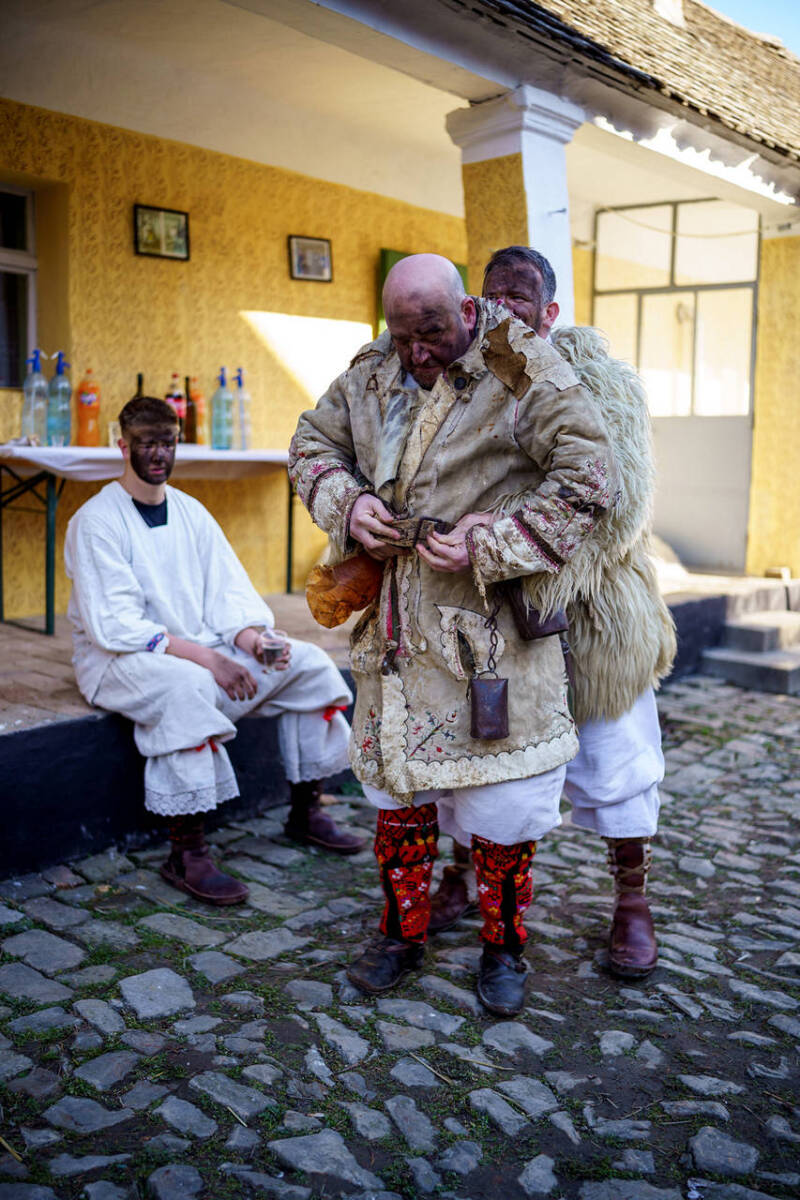
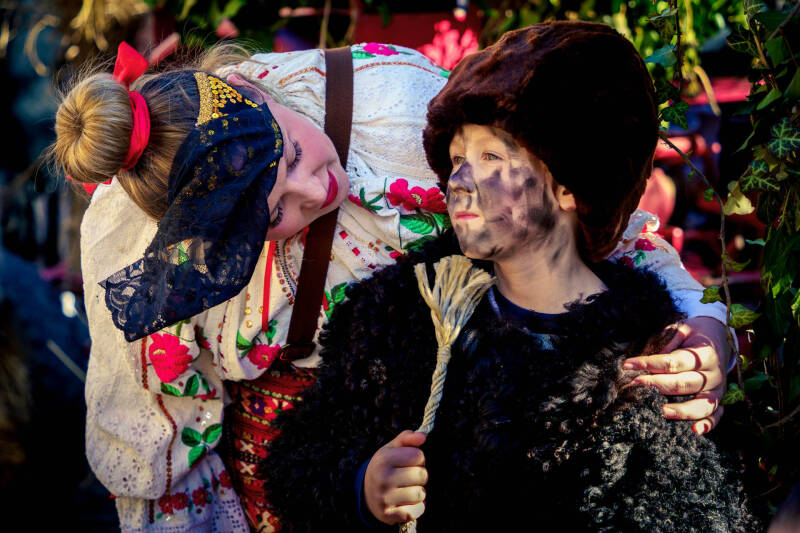
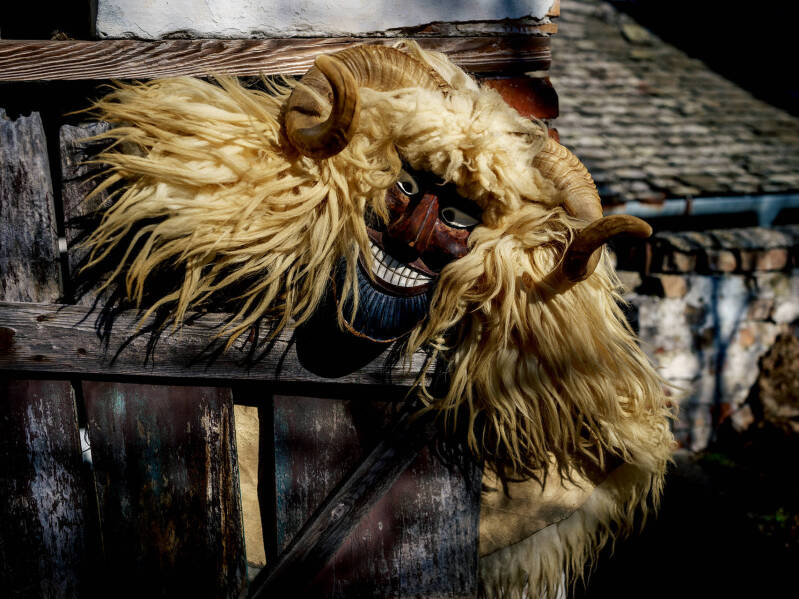
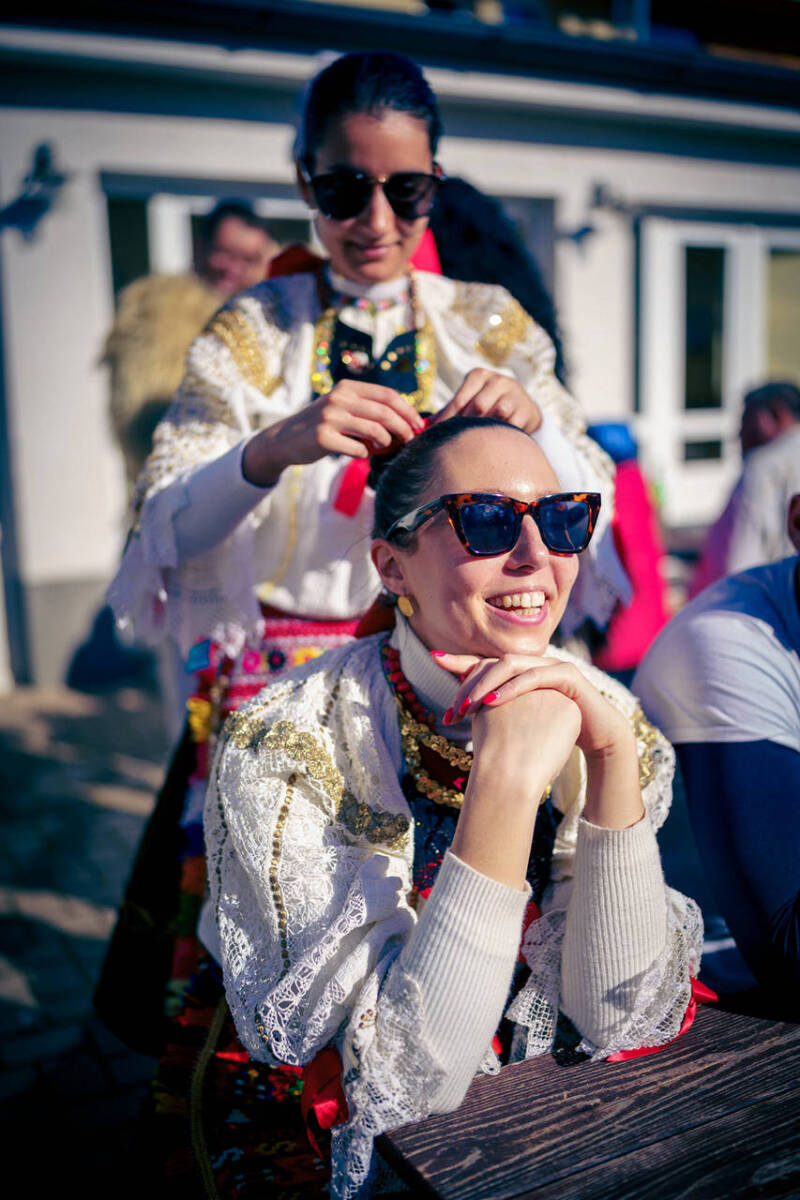
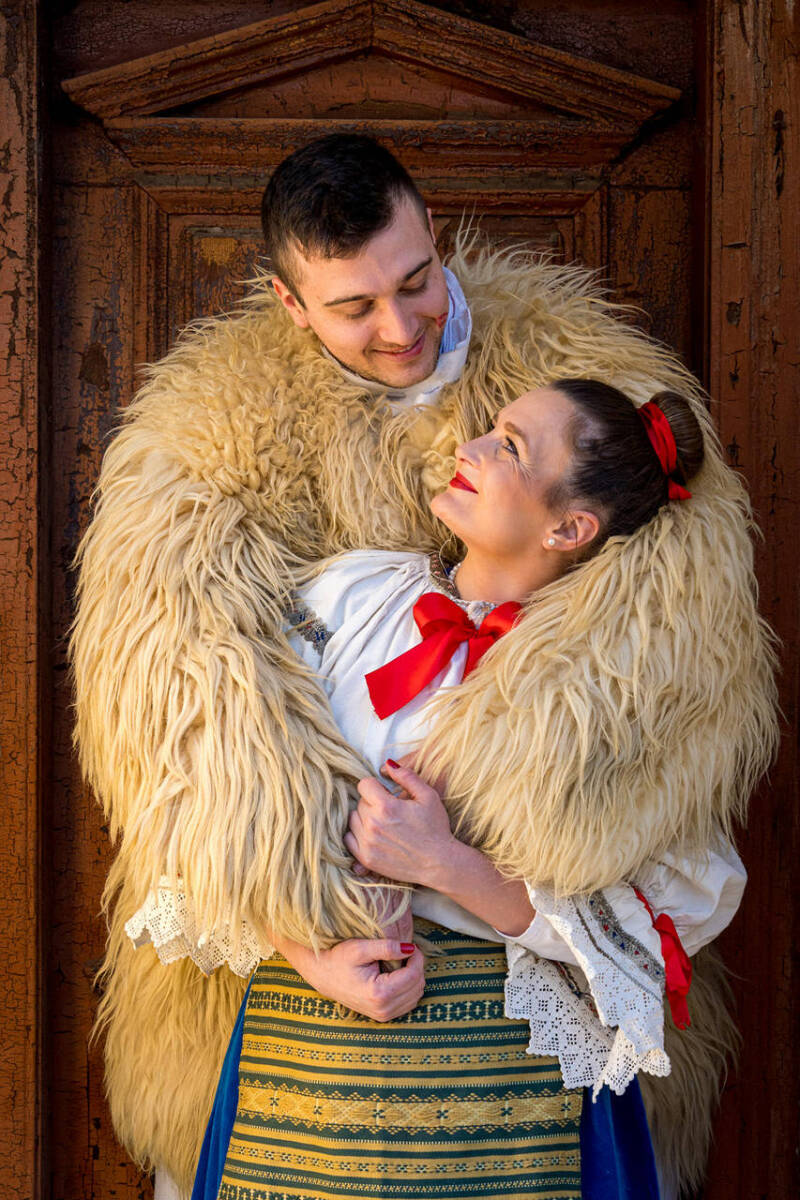
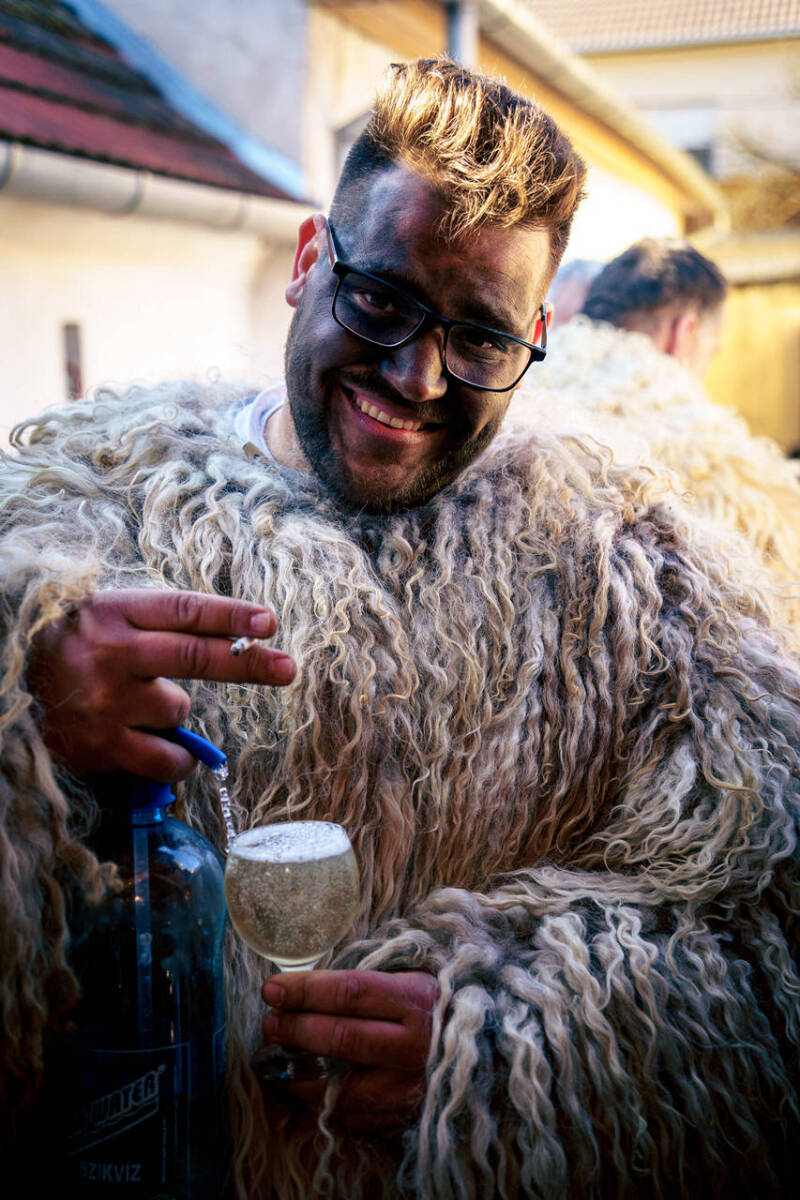
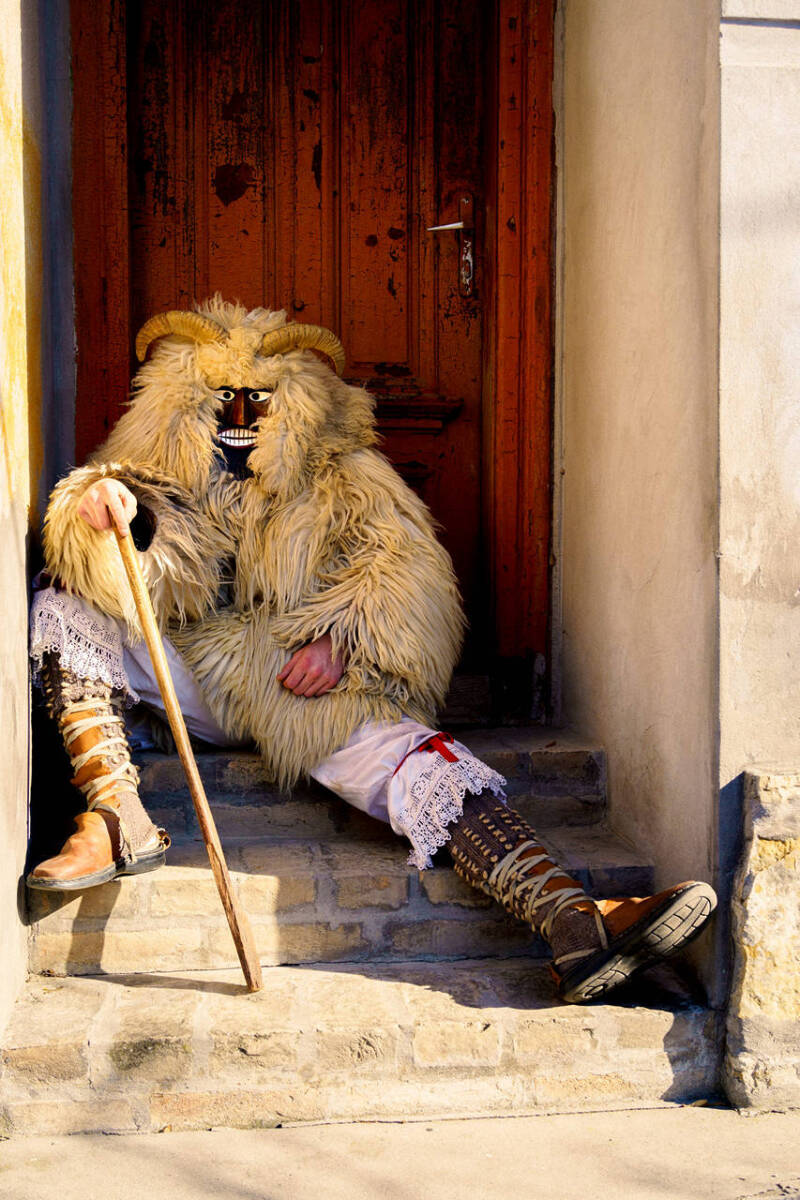
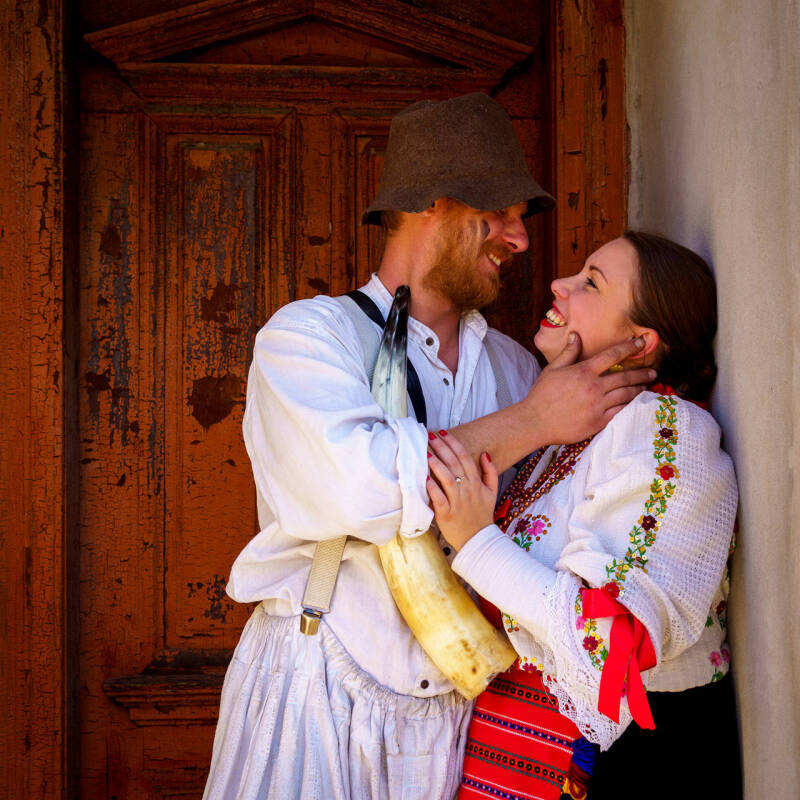
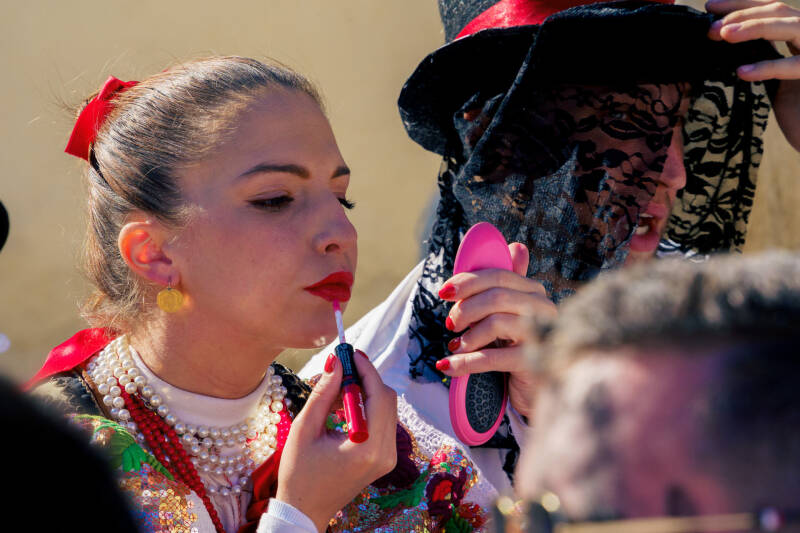
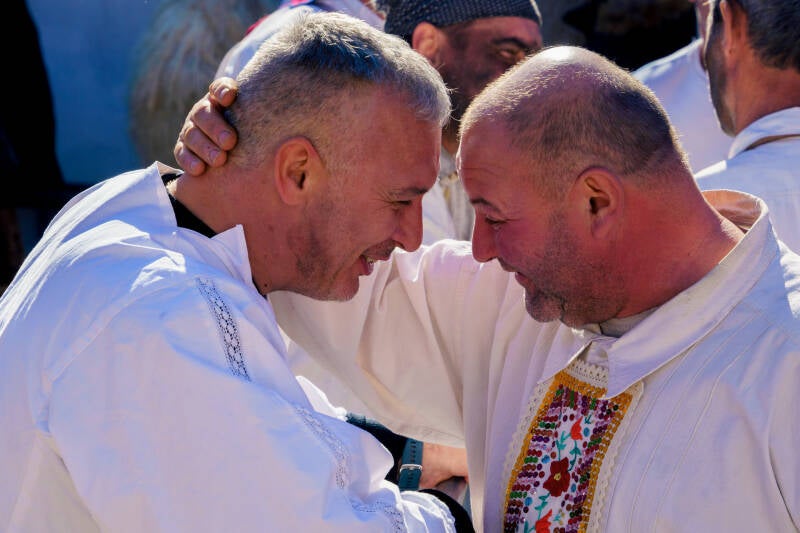
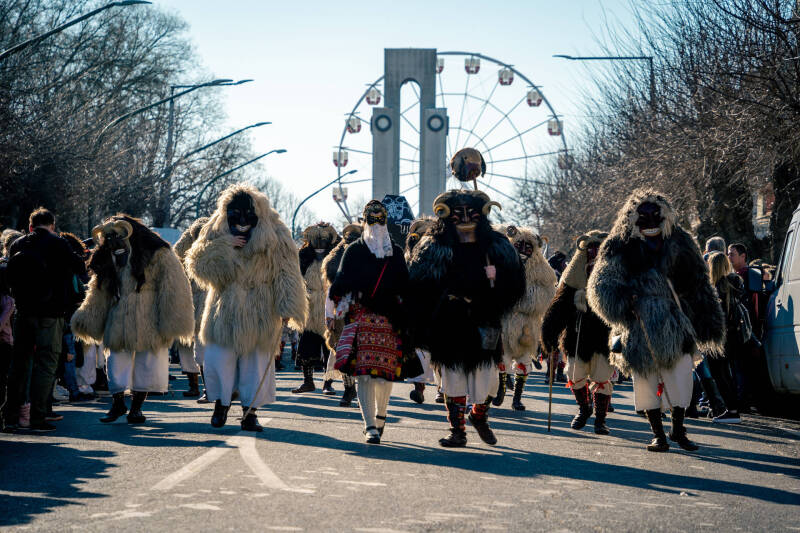
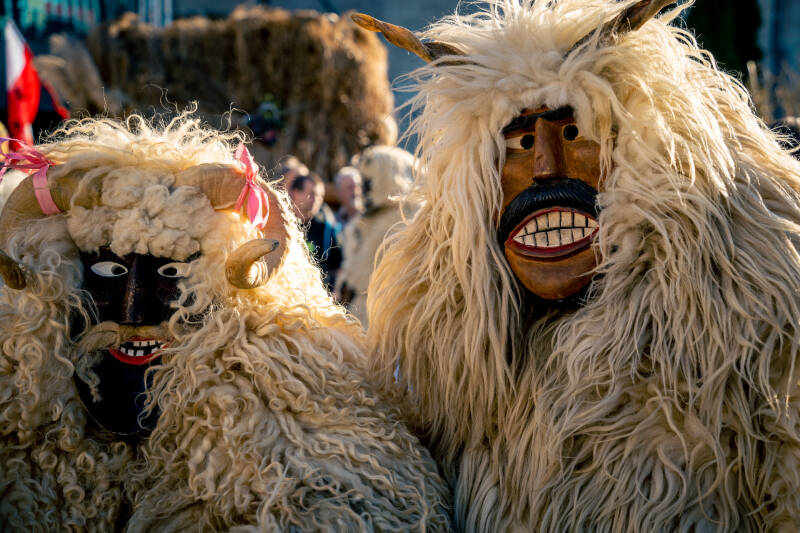
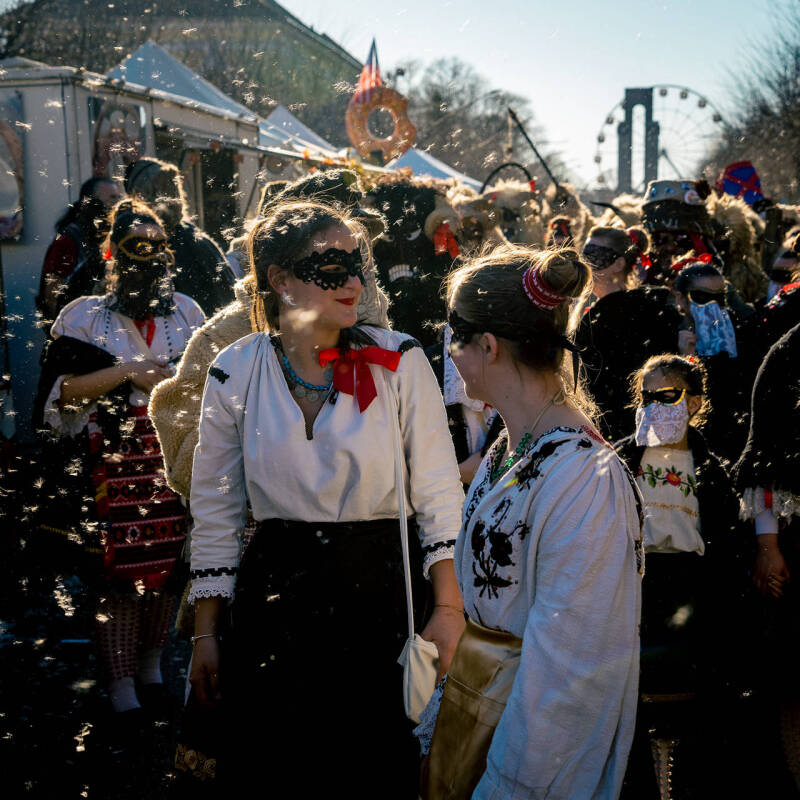
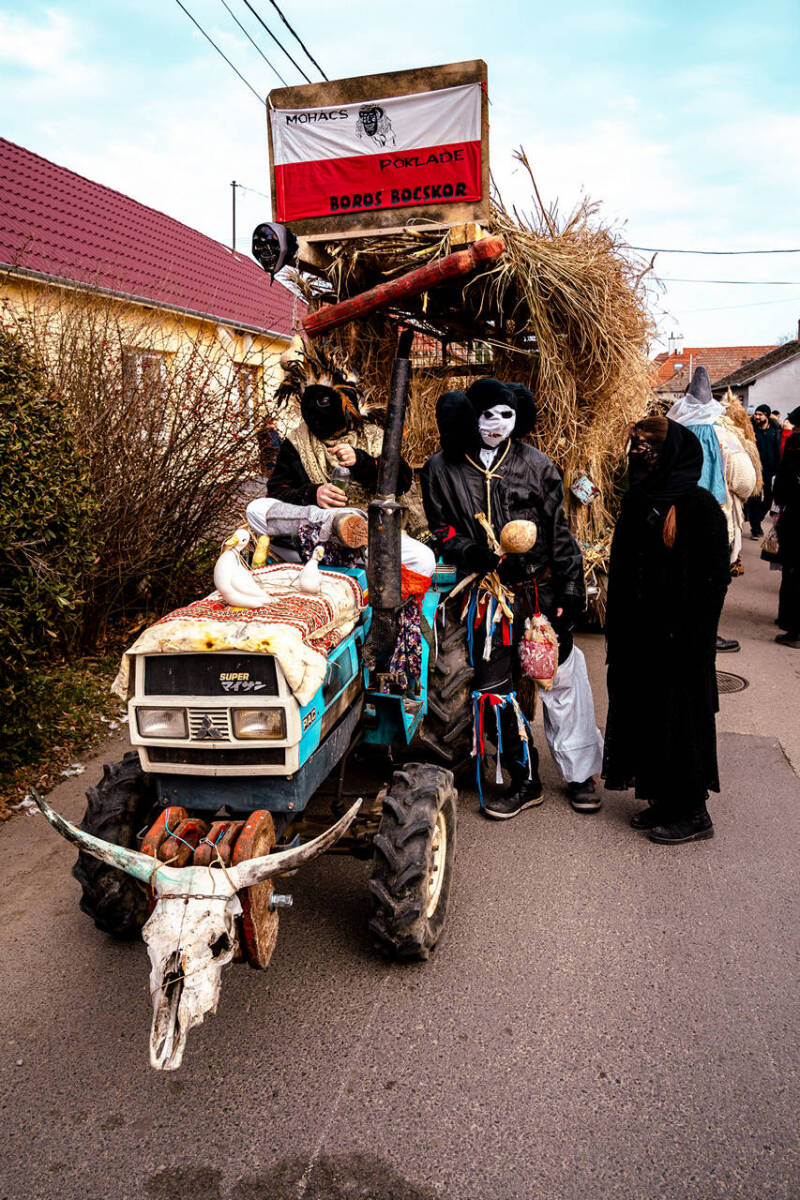
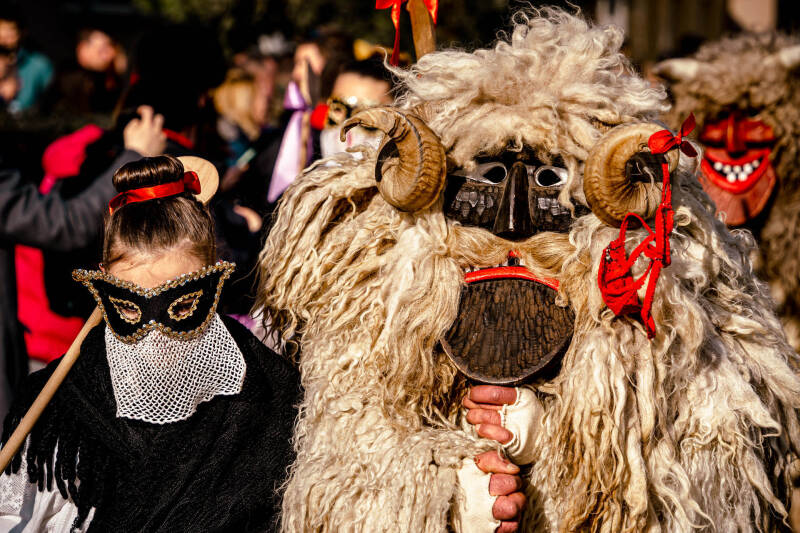
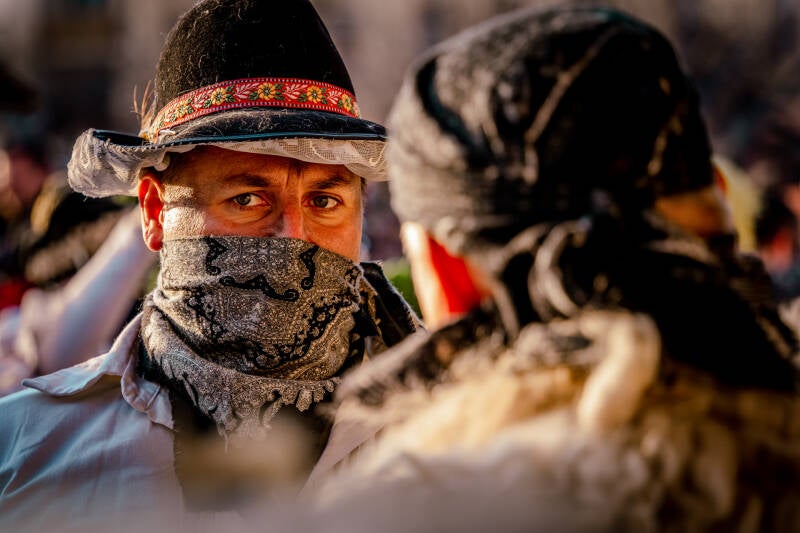
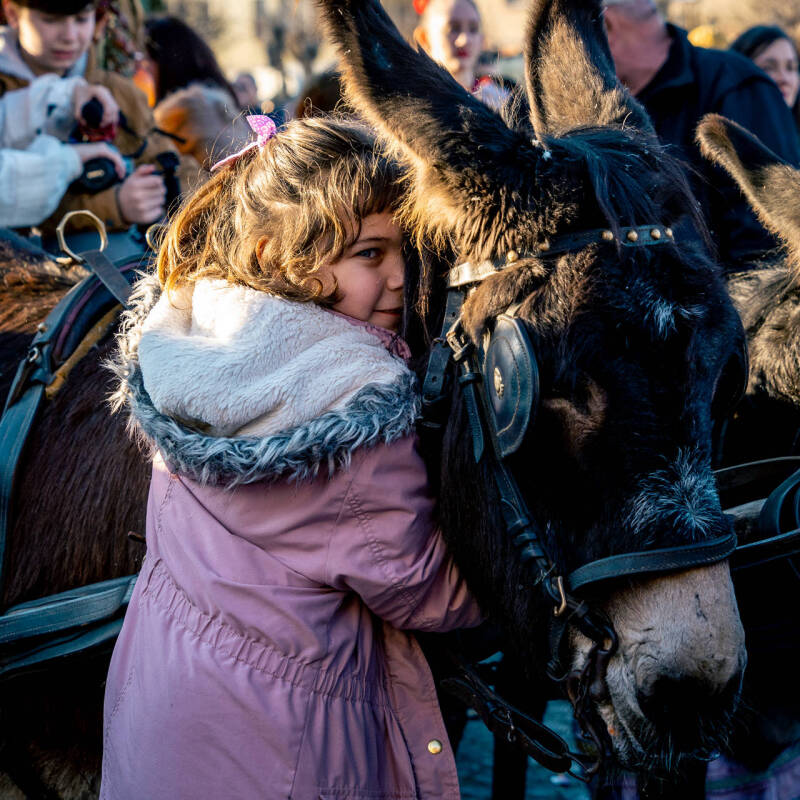
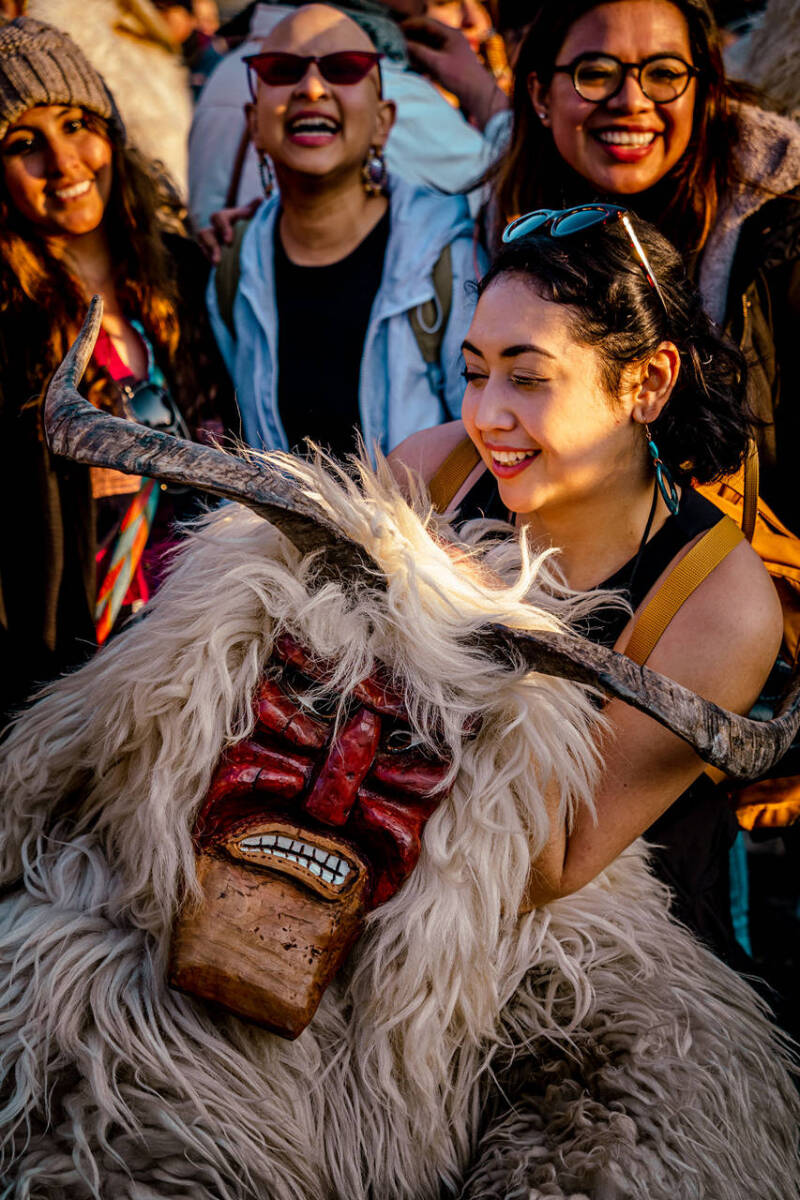
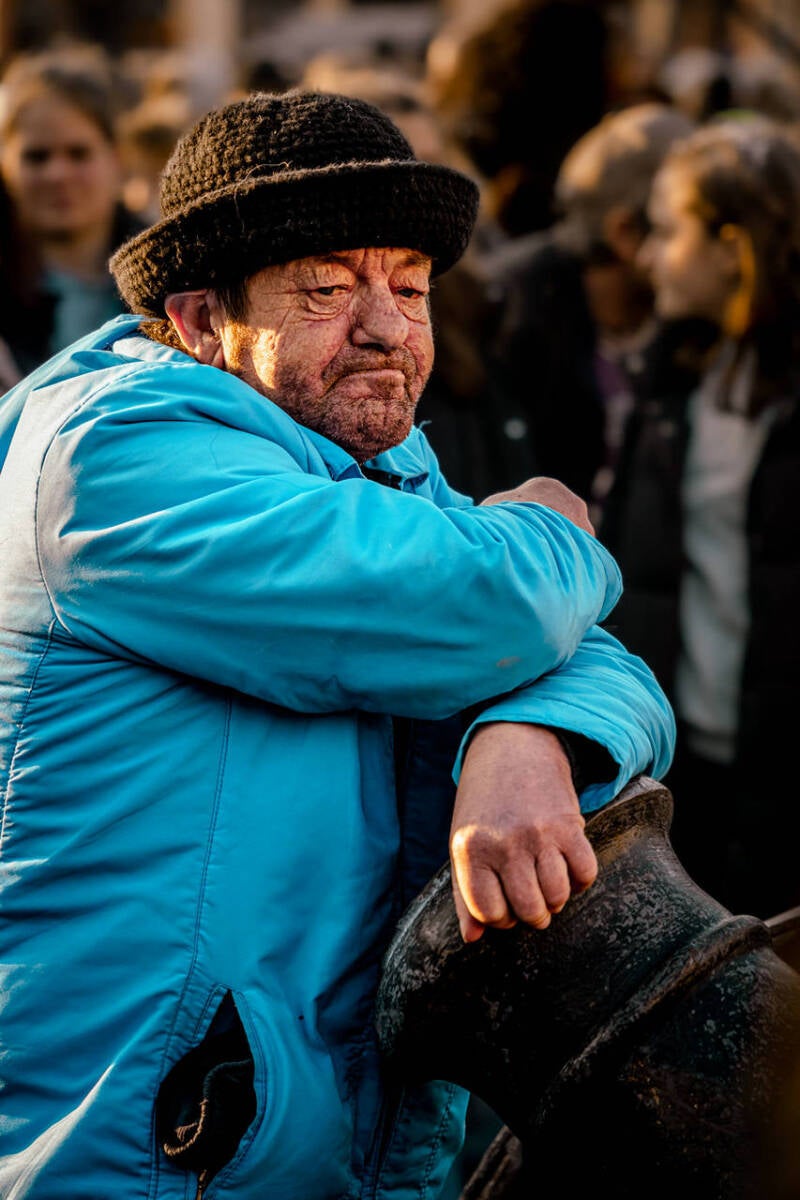
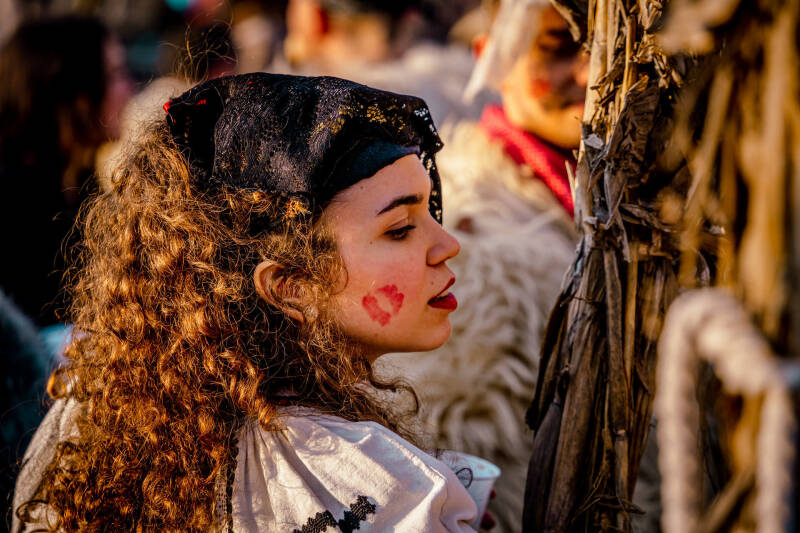
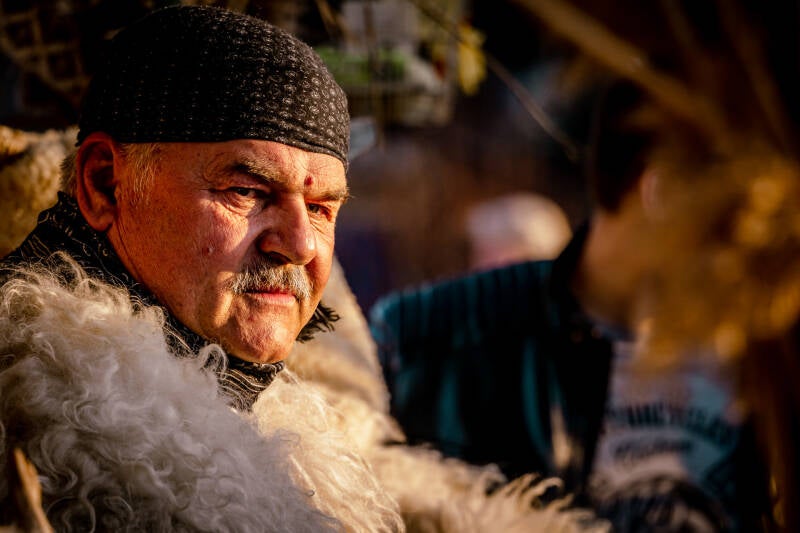
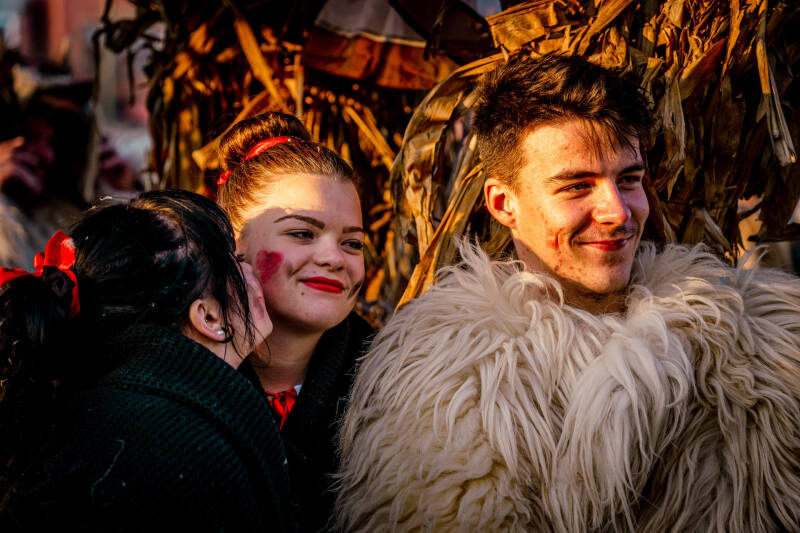
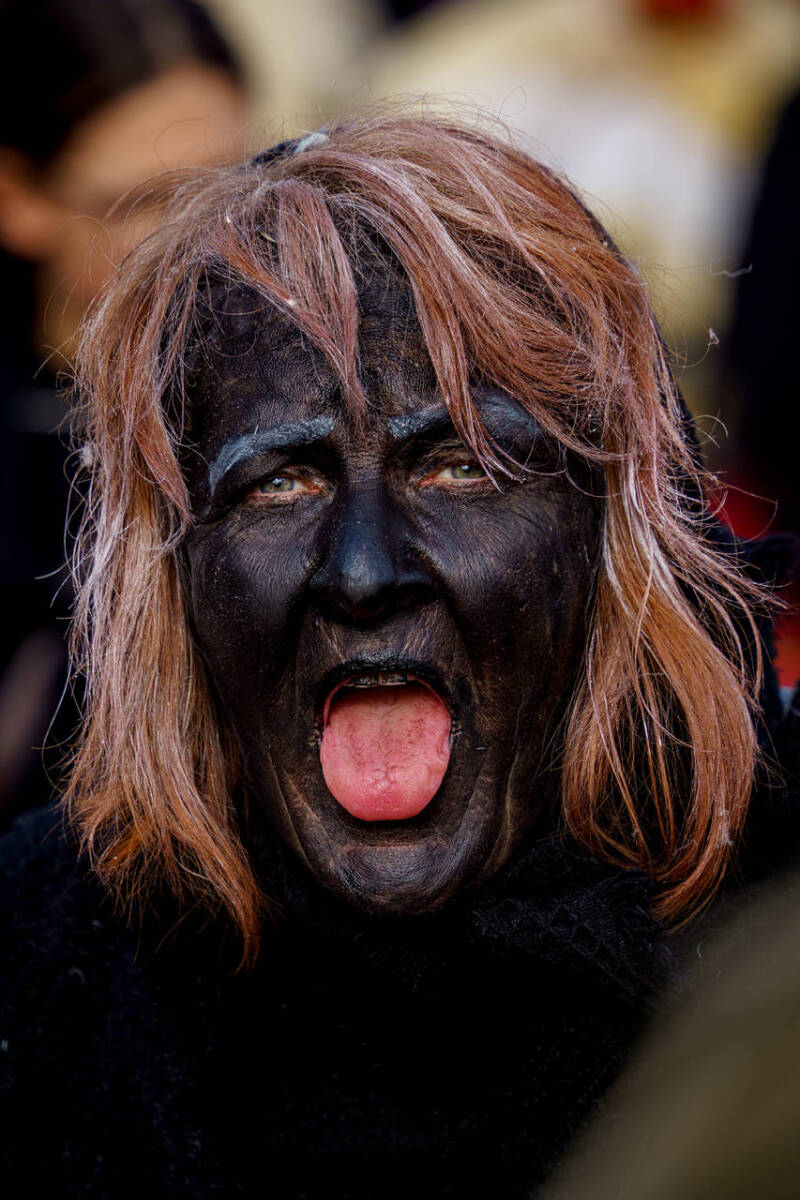
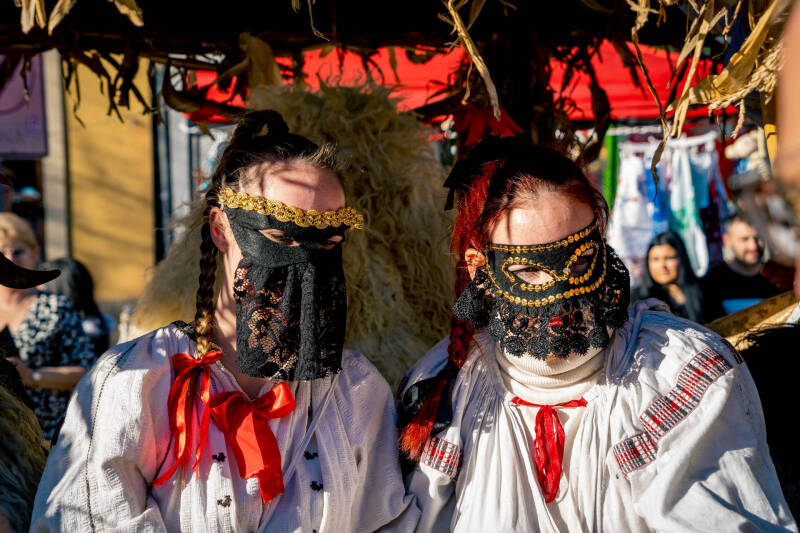
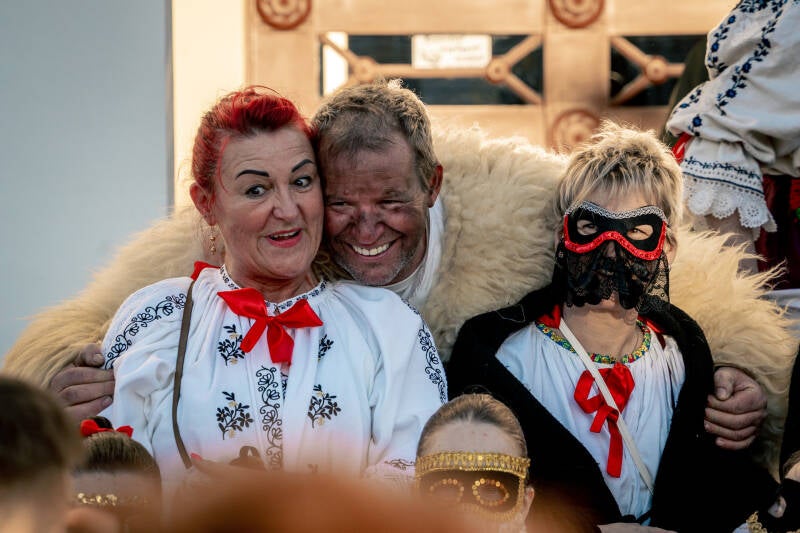
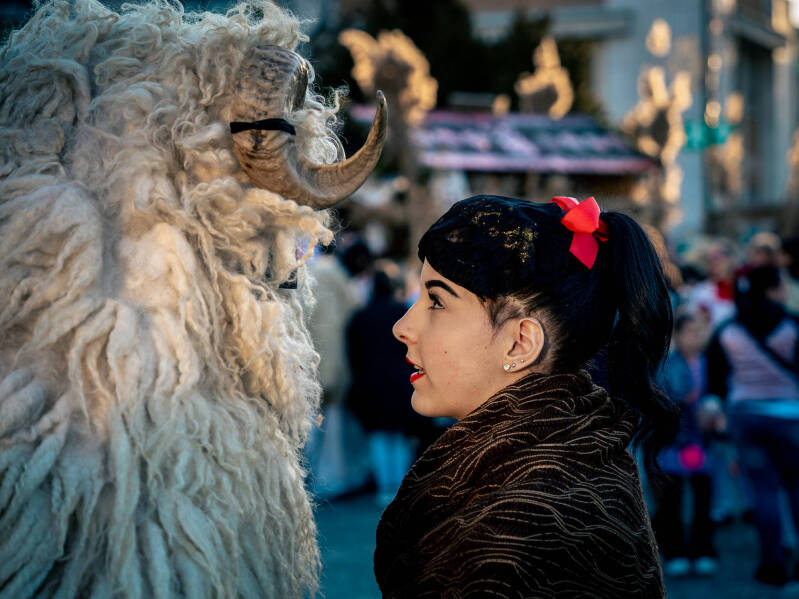
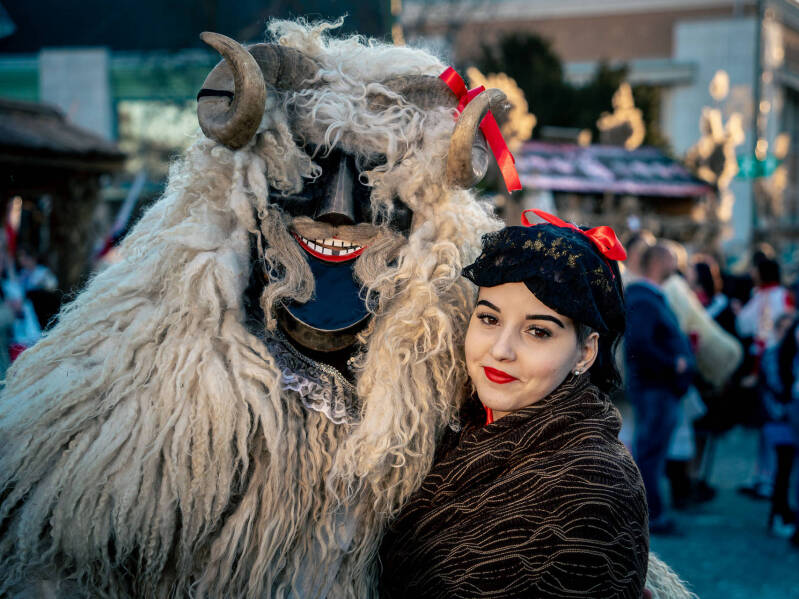
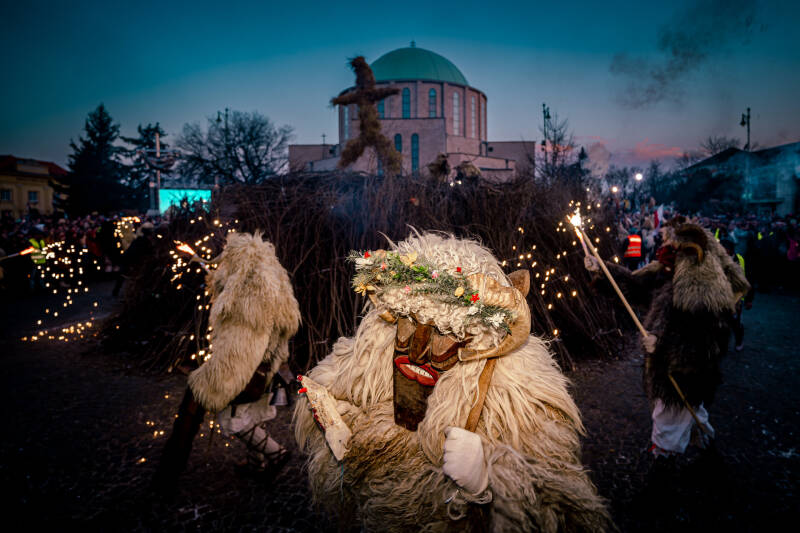
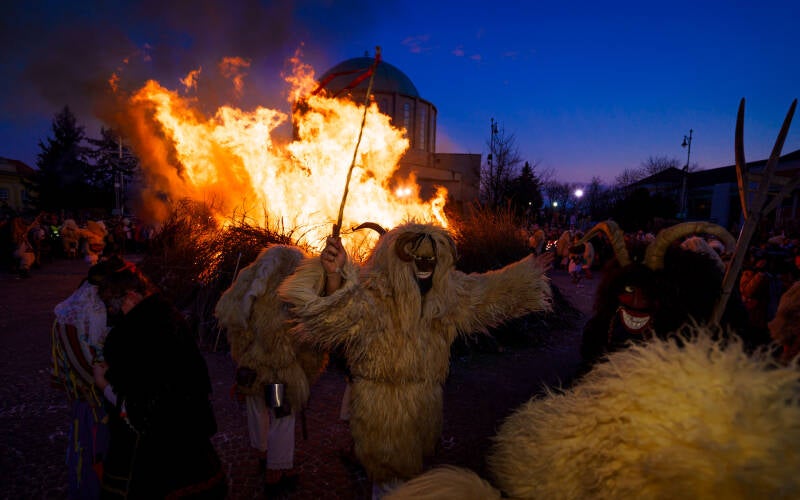
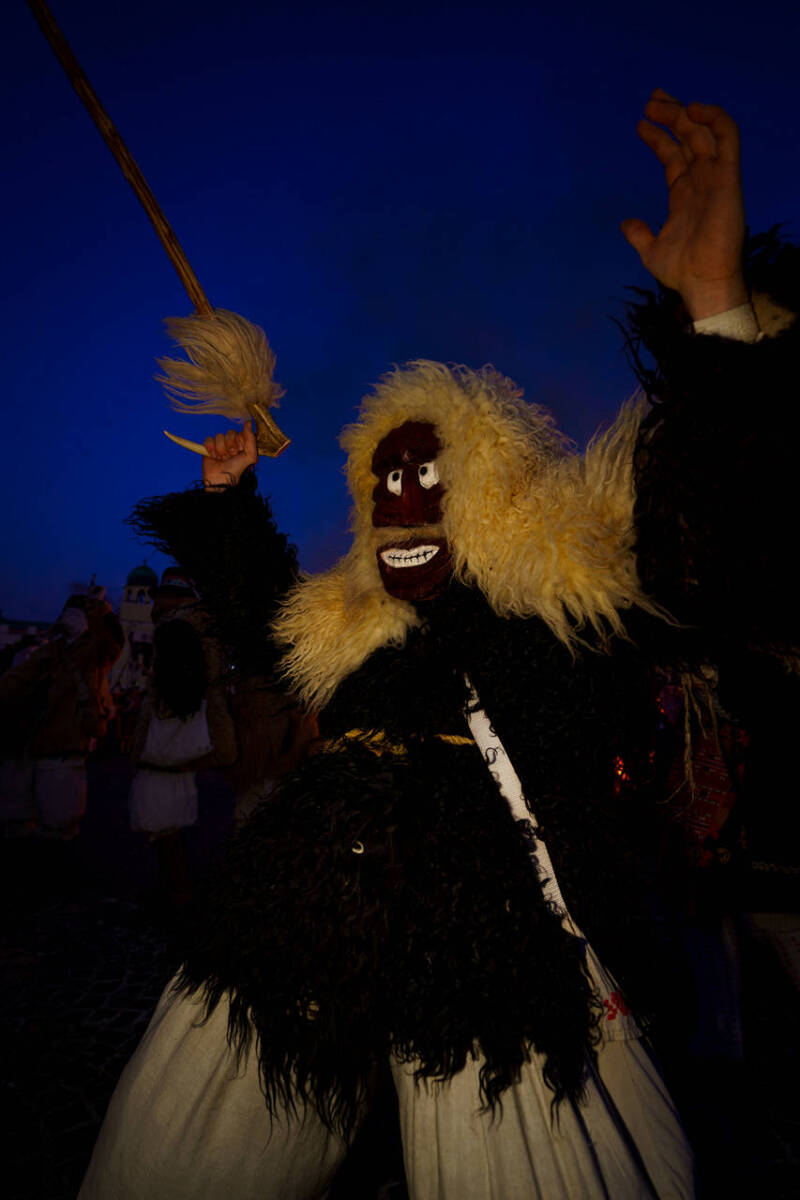
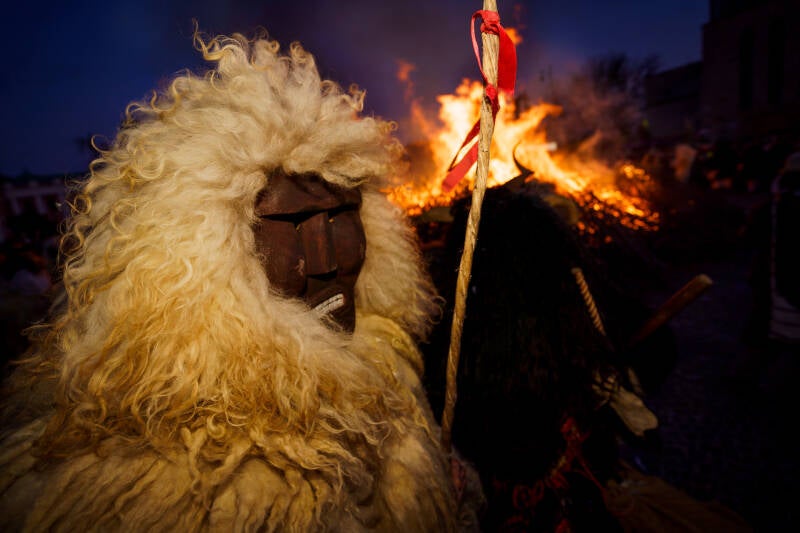
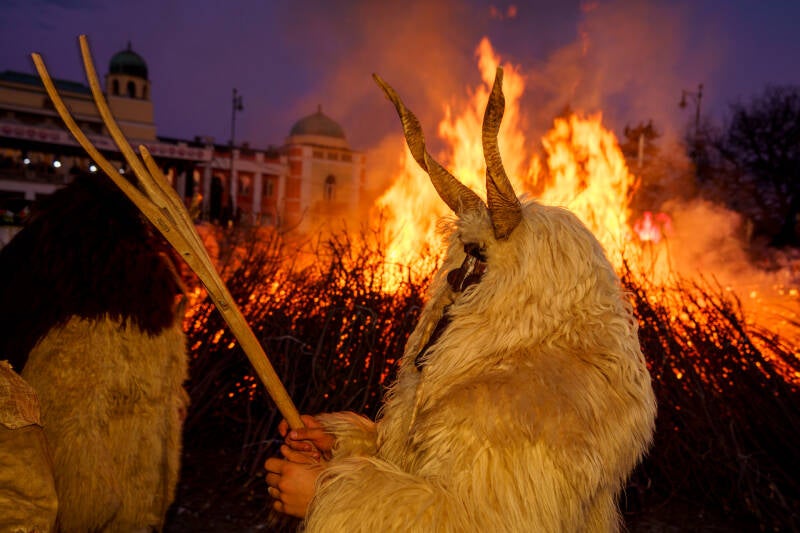
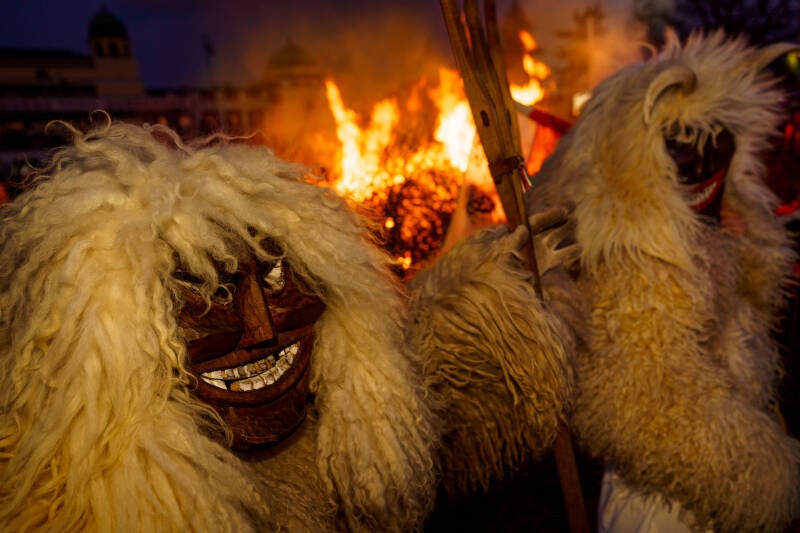
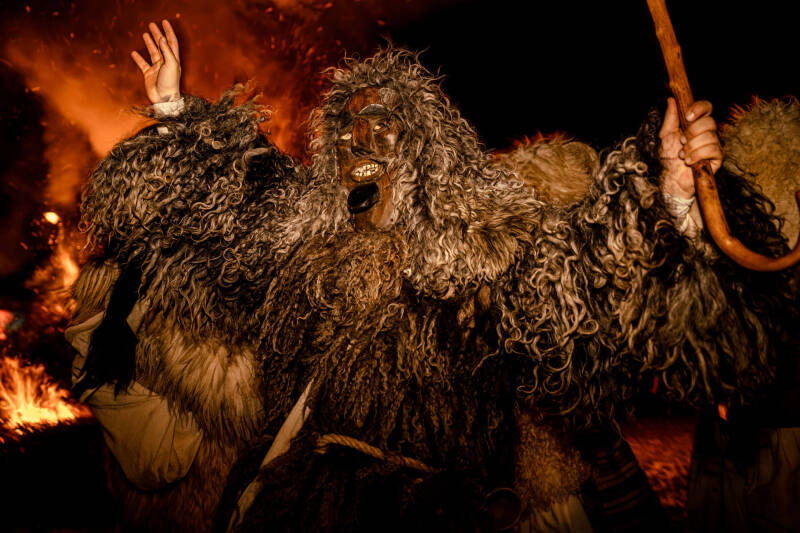
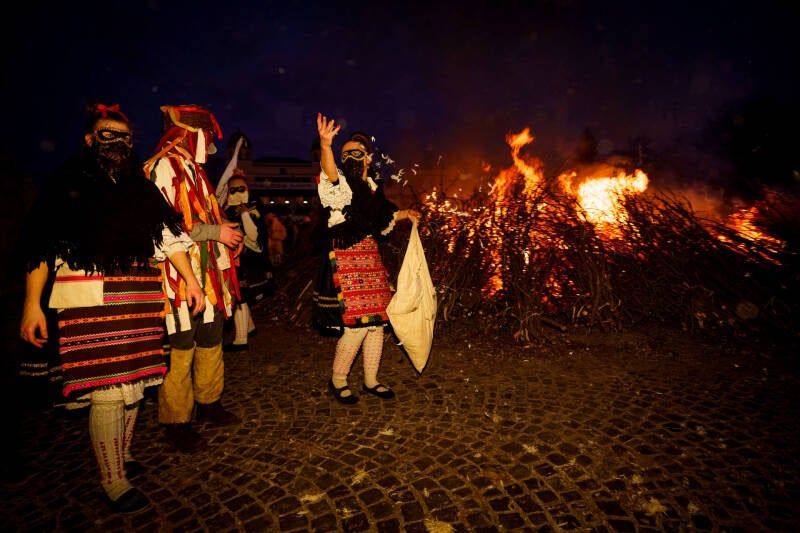
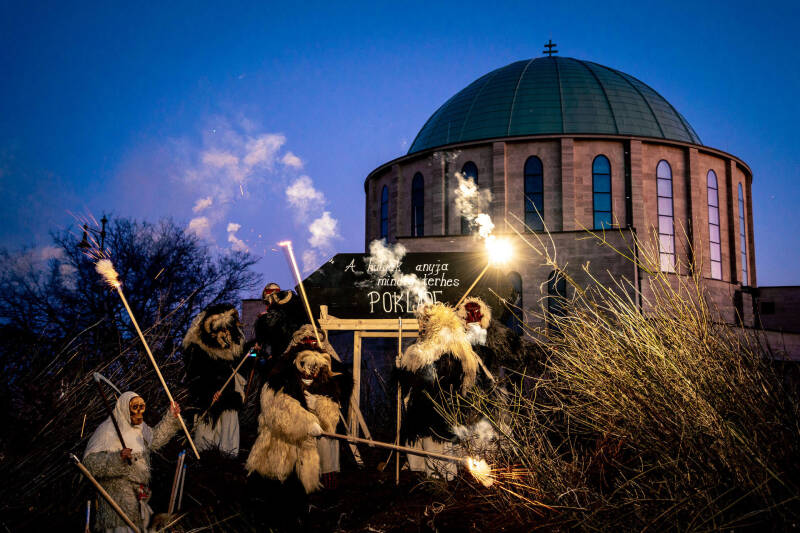
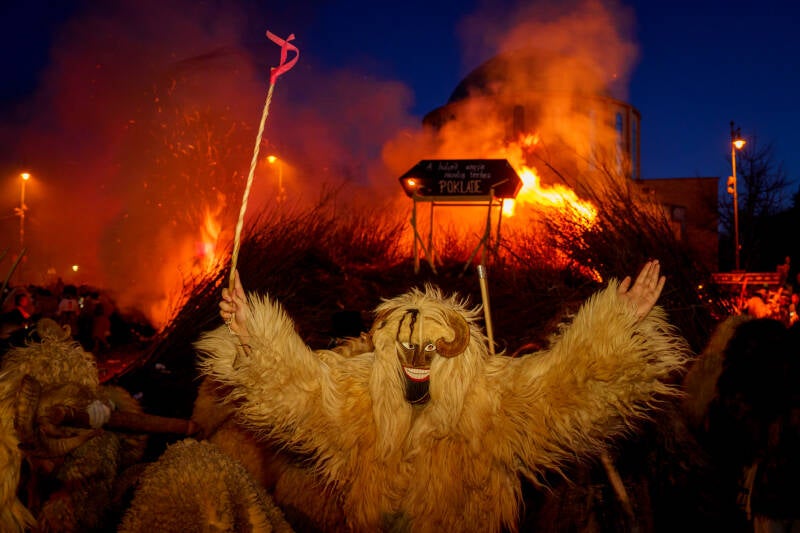
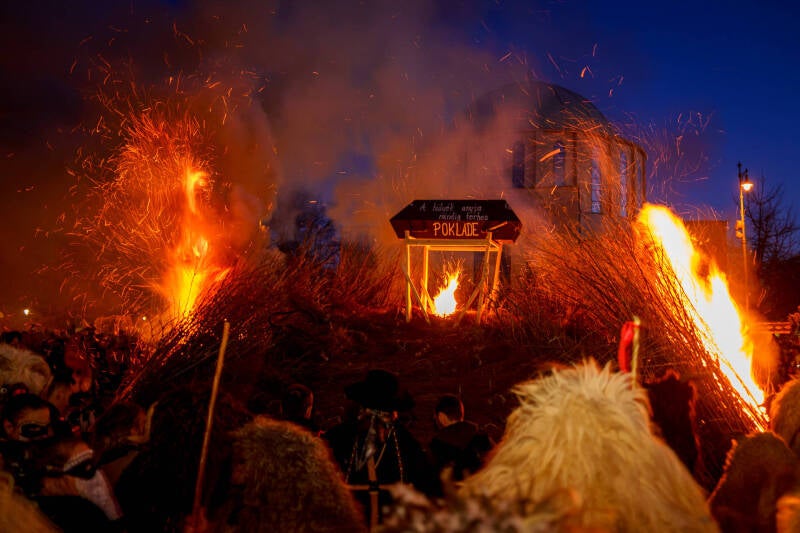
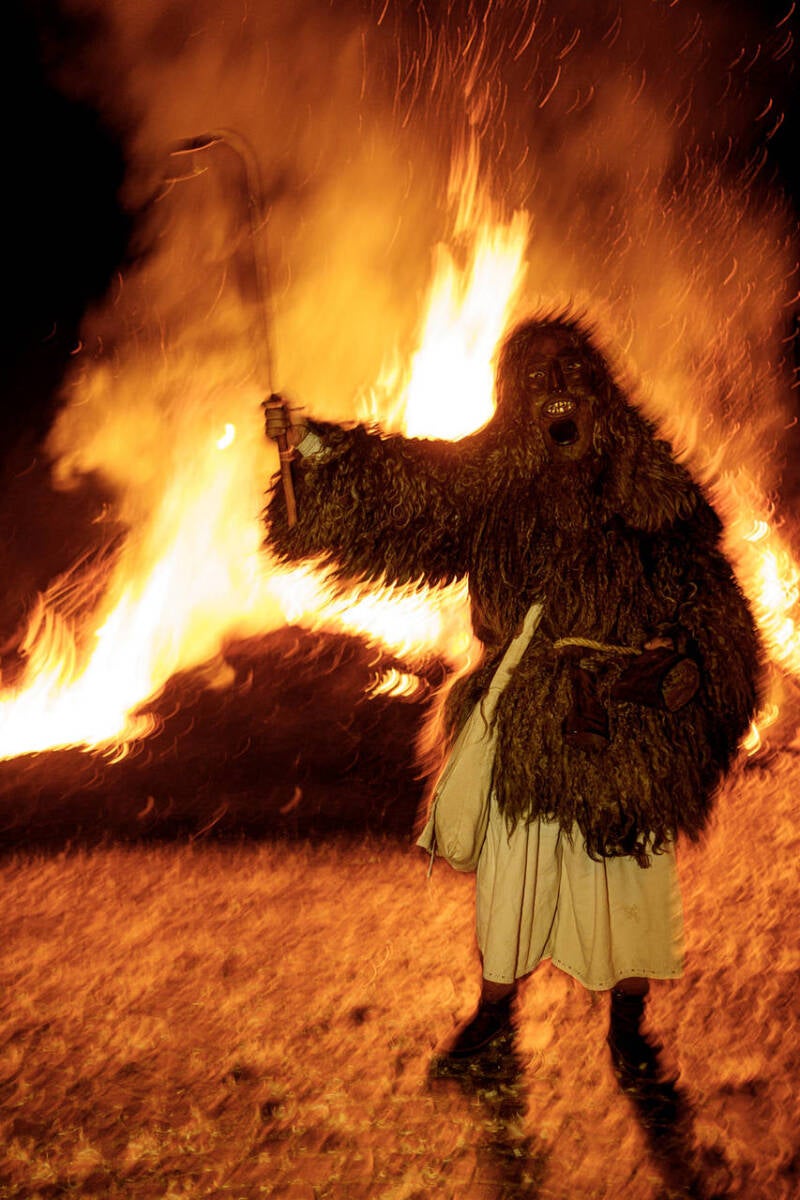
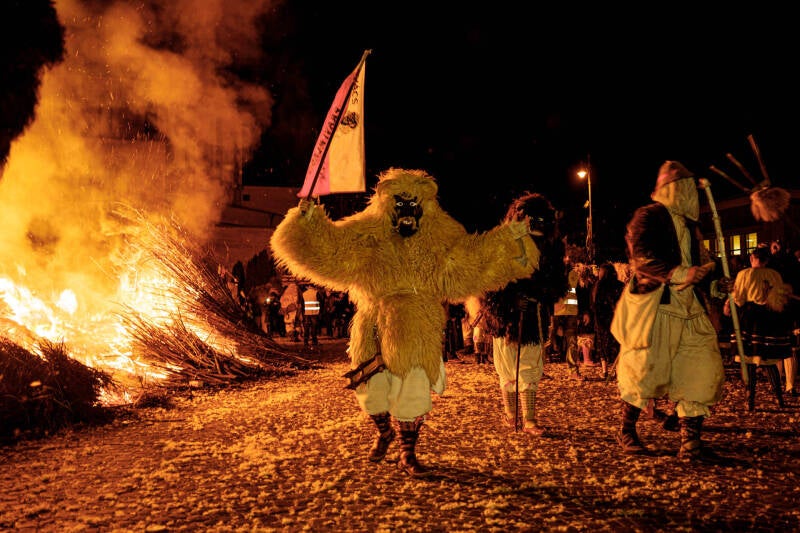
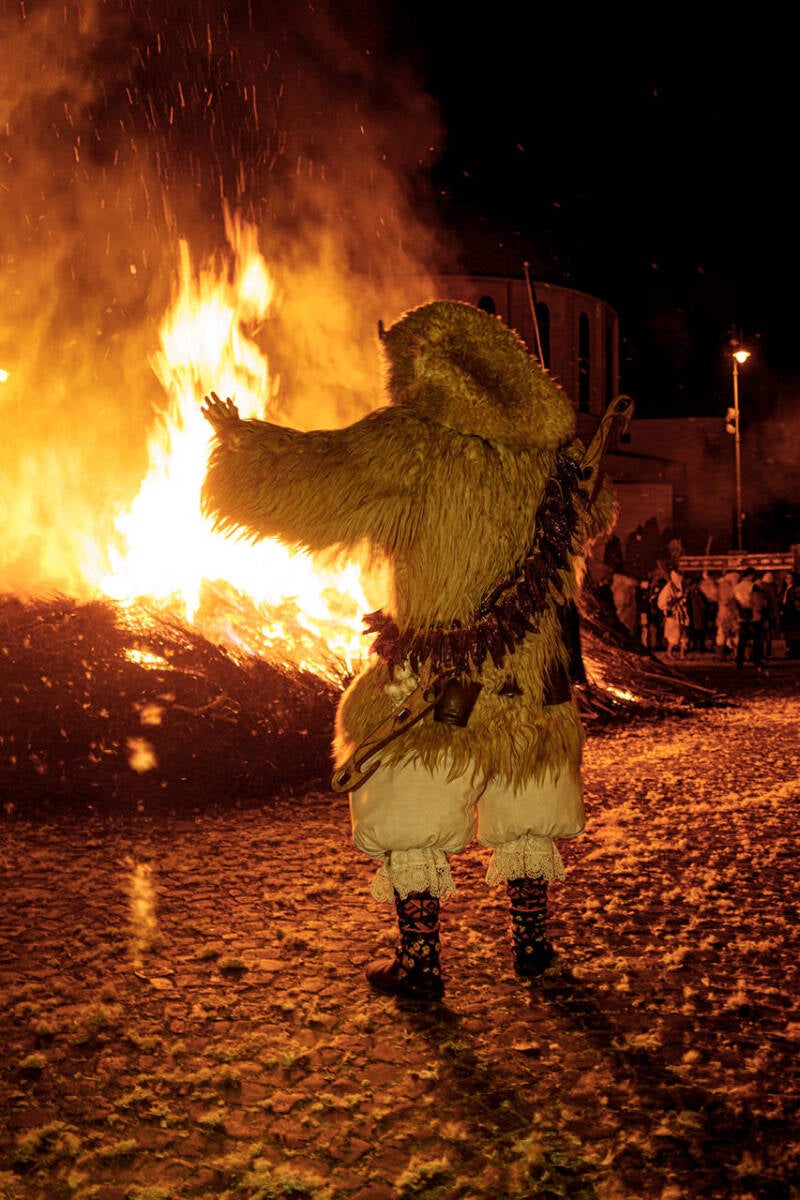
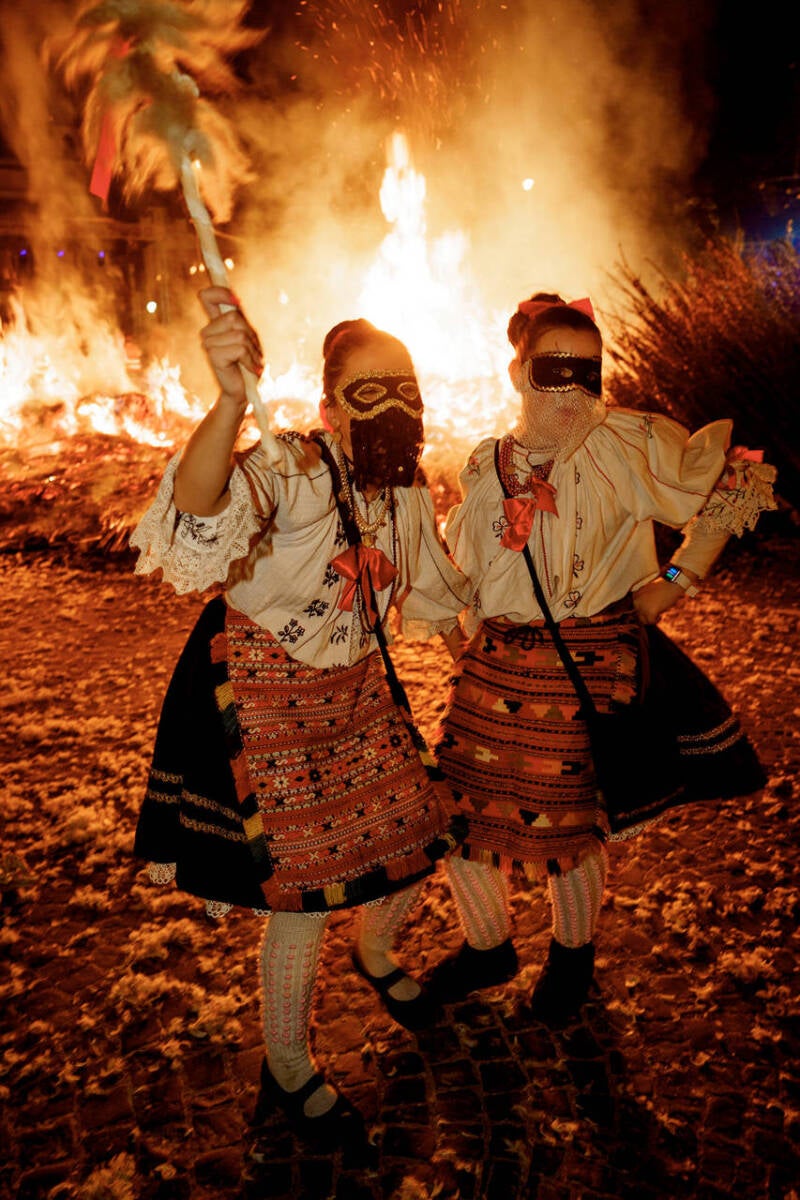
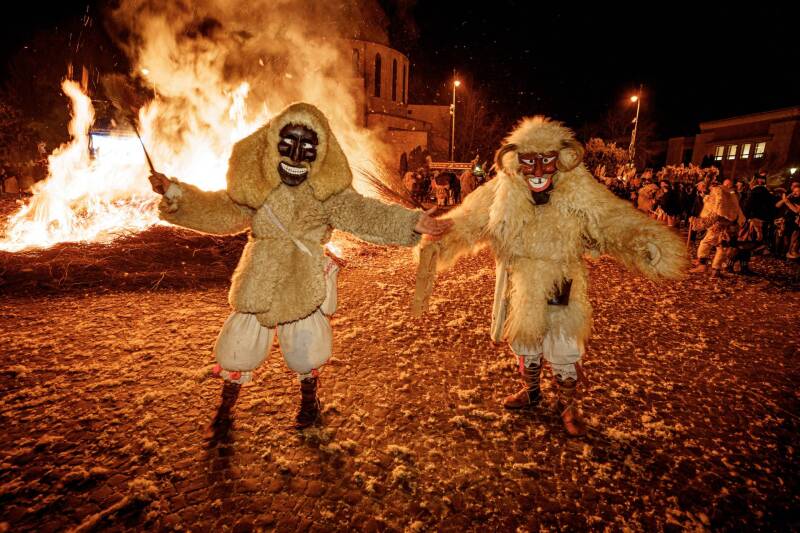
The Busójárás of Mohács is far more than a carnival — it is a living ritual shaped by community, openness and hospitality. Throughout the festival, locals warmly welcome visitors, especially photographers, inviting everyone into a shared experience rooted in tradition. At its core are close-knit groups of friends, busó groups who move through the town together, bound by long-standing relationships and a deep sense of belonging. Their presence is unmistakable: hand-carved and painted wooden masks, often edged with sheep’s wool, worn alongside heavy traditional sheepskin coats (bunda), defining elements of the busó costume. The day begins with the crossing of the Danube and unfolds through the streets with busós — including the busó girls, often called the “beautiful busós” — whose faces are respectfully covered with lace veils or simple masks, as tradition requires. Loud Šokac folk music fills the town from morning until night, returning again around the bonfire, where flames rise, joyful dances unfold, and a symbolic coffin of winter — often marked with the word “Pokláve,” meaning a funeral shroud — is burned, signaling the ritual end of the cold season.















Keywords
EN: Mohács Busójárás, busó groups, busó masks, Hungarian carnival, community festival, folk tradition, winter ritual, Danube crossing, street parade, bonfire lighting, fire dance, night ritual, cultural heritage, documentary photography, cultural photo gallery,
HU: Mohács, busók, busócsoportok, busó maszkok, magyar farsang, sokác, népzene, közösségi fesztivál, néphagyomány, télűző szokás, dunai átkelés, utcai felvonulás, máglyagyújtás, tűztánc, esti rítus, kulturális örökség, dokumentarista fotó, kulturális fotógaléria, pokláve
Create Your Own Website With Webador